

CO2 emissions
-

Carbon offsets are broken. Economists know how to fix them.
Carbon offsets can, in theory, reduce emissions efficiently, but in practice problems like non-additional projects, self-selection, and weak regulation mean they may fail to cut – and can even increase – global emissions unless embedded within properly capped compliance markets.
-
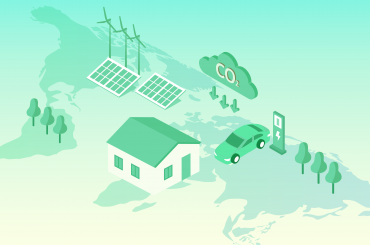
A proposal for a unified global carbon market
Fragmented carbon markets, especially voluntary offsets, lack the credibility and scale needed to drive global decarbonisation. A proposal for an opt-in, unified global compliance carbon market could reduce emissions cost-effectively while channelling finance to lower-income countries.
-
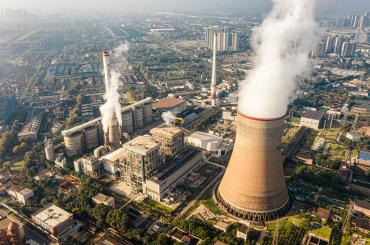
Paying to pollute: How carbon offsets actually raised emissions in China
Carbon offset programmes aim to lower emissions by allowing high-income countries to meet part of their reduction targets by financing projects in low- and middle-income countries. Evidence from China—one of the world’s largest suppliers of these pro...
-
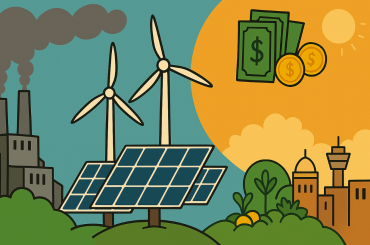
Climate, capital, and conscience: Who will pay for the global energy transition?
While wealthier countries have historically contributed the most to climate change, the Global South is now under pressure to take costly action. How will balancing between emissions reductions and economic growth affect long-term outcomes in developing countries?
-

Do carbon offsets work? Evidence from the world’s largest offset programme
Carbon offset programmes allow polluters to pay others to reduce emissions on their behalf. In theory, this can achieve the same emissions reductions at a lower cost, but only if the payment actually incentivises the recipient to cut emissions. If of...
-
The social cost of carbon
Why is estimating the social cost of carbon such an important task for researchers?
-
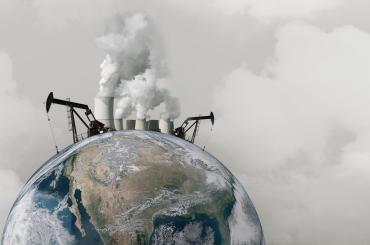
Exporting pollution
Well-intentioned regulation may be causing multinationals to shunt polluting activities to poorer countries where regulation isn’t so strict