

Agriculture
-
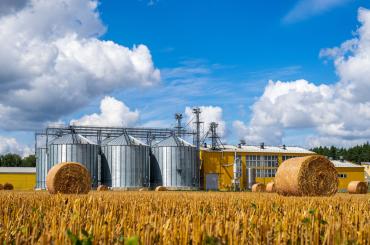
Leveraging the agrifood sector for jobs: A new knowledge agenda
New research on agrifood employment across Africa and Asia shows that youth engagement in farming is stronger than commonly assumed, and that bundled investments, appropriate mechanisation, and upskilling programmes can generate better jobs across the sector. Realising this potential will require stronger labour data, clearer evidence on sustainable intensification, and greater attention to the employment effects of digitalisation and AI.
-
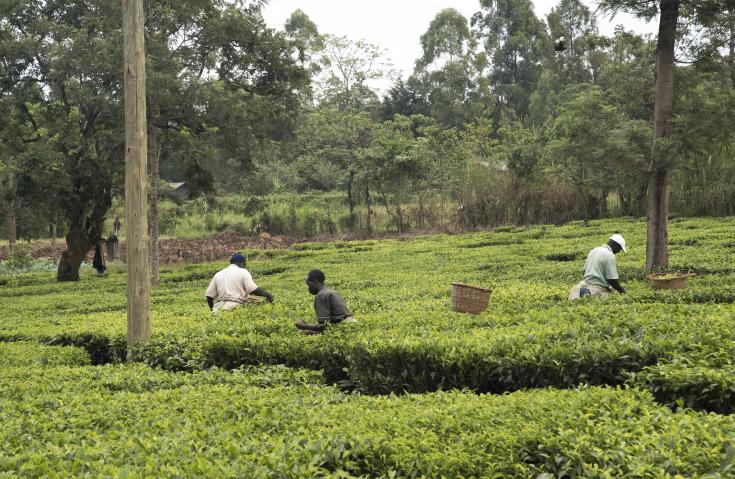
Agricultural Technology in Africa: Issue 2
-

Could cash succeed where maize has failed in Malawi?
In Malawi, elite politics sustain a maize economy riddled with corruption that traps smallholder farmers in poverty. Shifting more agricultural, social protection, and humanitarian funding towards cash-based support could disrupt this elite bargain, ...
-
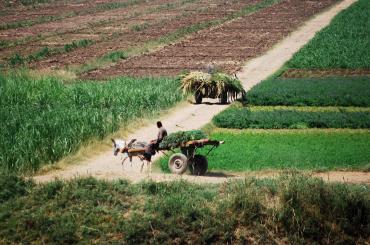
Why farmers struggle to adopt new agricultural technology in Africa
A five-season field experiment with smallholder farmers in sub-Saharan Africa shows that new agricultural technologies are hard to adopt not because farmers lack information, but because such technologies require multiple interdependent decisions that take years of costly trial and error to get right.
-
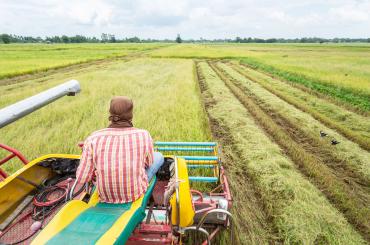
Institutions, not innovation, are the barrier to Nigeria’s agricultural productivity growth
Nigeria’s agricultural productivity deficit stems from overlapping institutional failures across seed supply, credit, insurance, extension, market access, and land tenure that collectively prevent smallholder farmers from adopting or benefiting from ...
-

Why Nigeria's smallholders remain stuck: Seeds, credit, and missing data
Despite contributing nearly a quarter of GDP and employing half the workforce, Nigeria's agricultural sector is trapped in low productivity by mutually reinforcing barriers: dysfunctional seed systems, credit market exclusion, absent farmer registrie...
-

Agricultural patronage: How large landholders shape politics in the Brazilian Amazon
In the Brazilian Amazon, large landholders strategically donate to local politicians, who promote agriculture in return – with negative environmental consequences.
-
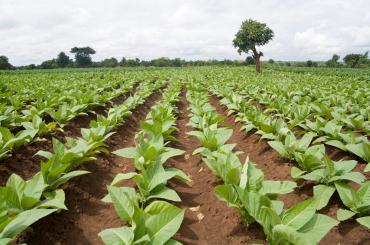
The case for tackling multiple constraints for smallholder farmers
A four-year study of smallholder farmers in Malawi finds that combining cash transfers with intensive agricultural extension produces larger and more durable gains in crop production and household consumption than either intervention alone.
-

The Four Pests campaign and China's Great Famine
New research quantifies how China's mass campaign to eradicate sparrows during the Great Leap Forward disrupted natural pest control, reduced crop yields, and contributed to millions of deaths during the Great Famine.