

Trade
-
International Trade: Issue 2
-
When an entire country loses access to fertiliser: Evidence from Sri Lanka's import ban
A model of trade and agriculture applied to Sri Lanka’s 2021 chemical fertiliser import ban shows how costly fertiliser shortages can be. However, the model also shows why local field-experiment estimates of fertiliser’s effect on crop yield can exag...
-

Who gained from India’s IT boom?
India’s IT boom generated large but unequal gains, and shows why education access and mobility determine who gains from high-skill globalisation.
-

When development reduces women's employment
Increasing women’s labour force participation and career progression is a key priority for policymakers in developing and developed economies alike. A central question is whether economic development and rising incomes naturally lead to greater femal...
-
The hidden cost of China's bureaucratic promotion system: Fragmented domestic markets
China’s bureaucratic promotion system unintentionally incentivises local leaders to restrict trade and underinvest in cross-jurisdictional infrastructure with provincial peers, fragmenting the world’s largest domestic markets and undermining long-ter...
-
How new export opportunities created manufacturing jobs in Vietnam
Bilateral trade agreements create opportunities beyond signatories. The US-Vietnam trade agreement led to large, persistent increases in formal manufacturing employment in Vietnam through the entry and expansion of multinationals from East Asia.
-
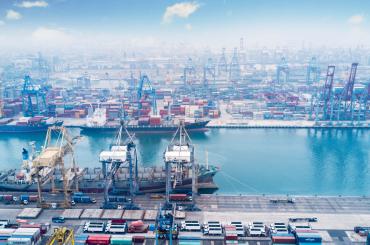
How import regulations shape domestic exporters’ resilience
Indonesia’s non-tariff import measures – particularly inspections, import approvals, and port restrictions – significantly weakened exporters’ ability to adjust to China’s yuan depreciation by constraining their access to cheaper intermediate inputs...
-
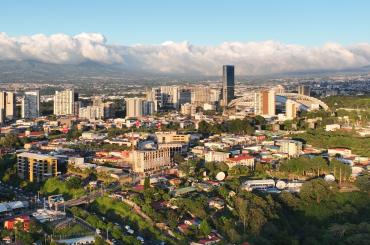
How Costa Rica became an FDI powerhouse
Costa Rica has become a world leader in attracting FDI. We talked with the former Minister of Foreign Trade to find out how.
-
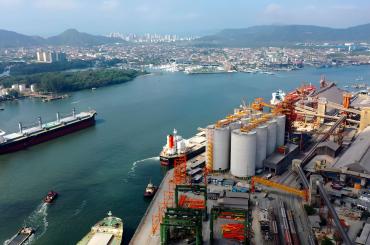
How China’s demand boom reshaped inequality and consumption in Brazil
Commodity booms are often seen as development opportunities, but new evidence from Brazil shows they can deepen inequality and reshape consumption in unexpected ways.