

carbon emissions
-
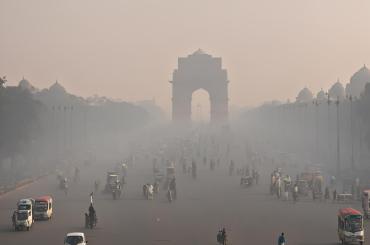
Reducing air pollution: Can markets succeed where regulation fails?
A large-scale experiment in Gujarat shows that emissions trading markets can dramatically reduce air pollution, improve compliance, and lower costs in developing countries – proving that market-based environmental regulation can work effectively where pollution is most severe.
-

Carbon offsets are broken. Economists know how to fix them.
Carbon offsets can, in theory, reduce emissions efficiently, but in practice problems like non-additional projects, self-selection, and weak regulation mean they may fail to cut – and can even increase – global emissions unless embedded within properly capped compliance markets.
-

Why some types of oil are worse for the climate
Reducing oil use is vital, but which barrels we extract matters too: shifting production towards low-carbon deposits could have avoided around 10 billion tonnes of CO2e emissions since 1992.
-
A proposal for a unified global carbon market
Fragmented carbon markets, especially voluntary offsets, lack the credibility and scale needed to drive global decarbonisation. A proposal for an opt-in, unified global compliance carbon market could reduce emissions cost-effectively while channelling finance to lower-income countries.
-
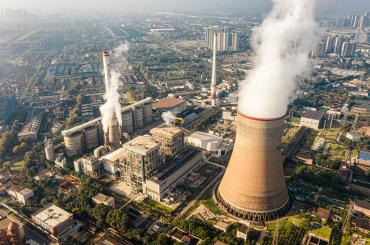
Paying to pollute: How carbon offsets actually raised emissions in China
Carbon offset programmes aim to lower emissions by allowing high-income countries to meet part of their reduction targets by financing projects in low- and middle-income countries. Evidence from China—one of the world’s largest suppliers of these pro...
-

Additionality: What it means & why it’s crucial in the fight against climate change
Before taking credit for offsetting carbon or reducing emissions, organisations need to ask: Would this have happened anyway?