

Climate adaptation
-
Climate Adaptation: Issue 2
-
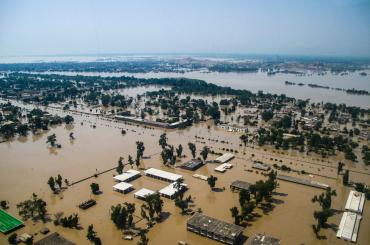
Do disaster-relief cash transfers trap people in risky areas, or help them adapt?
Disaster relief can discourage people from adapting to future disasters – for example, by reducing incentives to relocate. But in low-income settings, cash relief can also ease liquidity constraints and enable adaptation. Evidence from Pakistan’s 201...
-
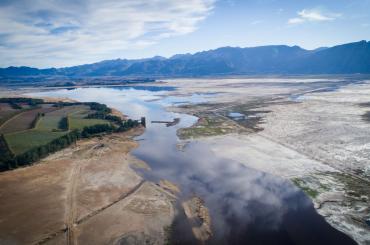
Avoiding day zero: Drought and water pricing in South Africa
A growing number of urban areas around the world face water scarcity. Focusing on the prolonged drought that Cape Town experienced from 2015 to 2018, this column examines how adaptation shaped outcomes for the city’s residents and for its municipal w...
-
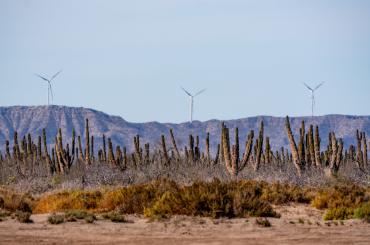
Climate adaptation and vulnerability in Mexico
A one-size-fits-all approach to climate change won’t work in Mexico, where climate adaptation is highly unequal. Currently, private responses such as air conditioning, migration, and financial adjustment play a central role. These mechanisms are ofte...
-
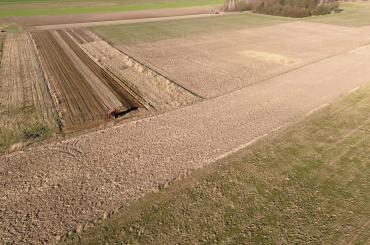
How climate change could trap workers in agriculture
Climate change is likely to keep more labour in agriculture in the very regions where agricultural productivity suffers most, exacerbating the ‘food problem’ just as economies would benefit most from diversifying away from agriculture.
-
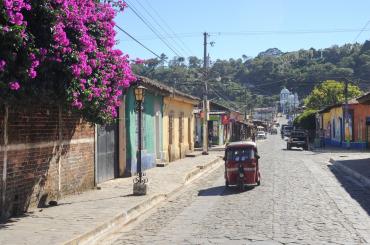
Climate change and rural livelihoods: How extreme heat drives international migration from El Salvador
In El Salvador, extreme heat lowers agricultural productivity and rural incomes, pushing farmers – especially those with strong migrant networks – to use international migration as a climate adaptation strategy.
-

Why did air conditioning catch on so quickly in Mexico?
Air conditioning adoption in Mexico has grown much faster than earlier forecasts, with nearly one million more units installed than predicted, largely due to falling electricity prices and rising energy efficiency that lowered the cost of cooling.
-
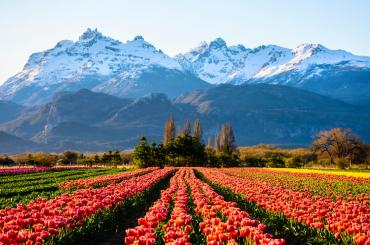
Climate adaptation in Argentina: Short-term instability, long-term risk
Argentina’s volatile macroeconomic and political environment – marked by inflation, debt crises, and policy instability – makes it difficult to commit to the long-term investments needed for climate adaptation, despite the country’s high vulnerabilit...
-
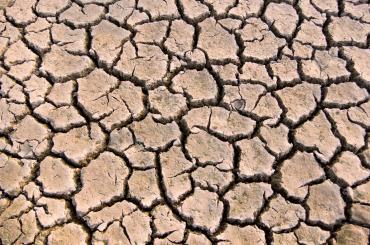
How extreme heat determines diets in rural India
Extreme heat damages crops and increases the number of strongly undernourished households in terms of calories, iron, and other nutrients. While some households cope by buying food grown elsewhere, the poorest remain highly vulnerable.