

Contraception
-

Peer support boosts reproductive agency where vouchers fall short
In rural India, subsidising family planning services gets women to the clinic, but pairing subsidies with a ‘Bring-a-Friend’ voucher changes who accompanies them, reduces stigma, and delivers meaningful gains in contraceptive use.
-

Electing women improves healthcare for female constituents, but can trigger a domestic violence backlash
Female politicians in India expand reproductive healthcare, but spousal conflict over number of sons can turn contraceptive gains into domestic violence.
-

Dispelling the myth that contraceptives cause infertility increases uptake
Across Africa, early first-births remain the norm even as educational attainment has increased. Evidence from Zambia shows misperceptions and medical mistrust may be a key reason why.
-
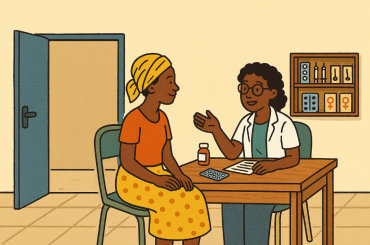
Contraception without prejudice: Reducing bias in family planning
What role can policy play in reducing bias among healthcare providers?
-

The role of family planning in nurturing child health in India
Economic theory predicts that smaller families can lead to healthier children. Evidence from India shows contraception plays a vital role in reducing child malnutrition, potentially by enabling parents to invest more resources in each child.
-
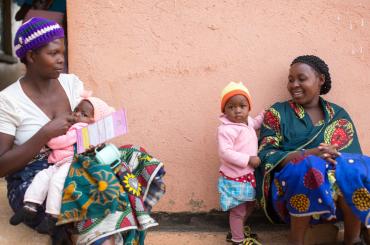
Reducing fertility in sub-Saharan Africa
Why do we still see very high fertility rates in Zambia when women want to have fewer children and are open to the use of contraceptives?