

decentralisation
-

Decentralising development: The economic effects of government splits
When Brazil let neglected districts break away and form new municipalities, peripheral areas gained services, jobs, and growth at no visible cost to the rest of the country.
-

The hidden cost of China's bureaucratic promotion system: Fragmented domestic markets
China’s bureaucratic promotion system unintentionally incentivises local leaders to restrict trade and underinvest in cross-jurisdictional infrastructure with provincial peers, fragmenting the world’s largest domestic markets and undermining long-ter...
-

Reducing the size of administrative units improved local governments in India
The creation of smaller local government polities resulted in greater public good access across multiple dimensions – village-level infrastructure, individually-targeted benefit programmes, and workfare programmes – over both the short and long run.
-

Decentralised governance in developing countries
What do we know about the impacts of decentralised governance in developing countries?
-
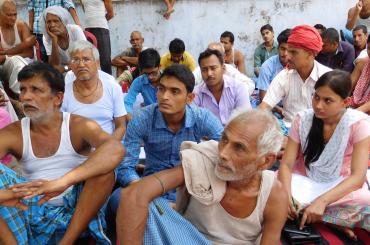
Something to complain about: How minority representatives overcome ethnic barriers
Access to formal complaints technologies improves minorities’ strategic bargaining power within local government and improves public good provision
-

Decentralisation under changing state capacity: Experimental evidence from Paraguay
Decentralising the monitoring of public sector workers is cost-effective, but as central state capacity increases this advantage disappears
-

Managing ethnic divisions in diverse societies: Evidence from redrawing political boundaries
Redrawing subnational political boundaries potentially reduces interethnic tensions yet also can create new ethnic divisions that exacerbate conflict