

emissions
-
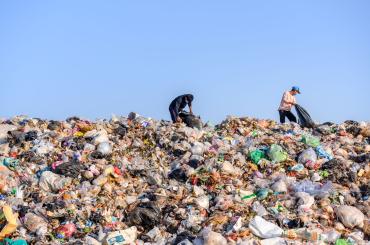
Why waste segregation policies fail – and how training makes them work
Citizen training that builds households’ practical capability to segregate waste can deliver large, persistent and socially amplified improvements in waste management, making it a highly cost-effective climate policy in resource-constrained cities.
-

A proposal for a unified global carbon market
Fragmented carbon markets, especially voluntary offsets, lack the credibility and scale needed to drive global decarbonisation. A proposal for an opt-in, unified global compliance carbon market could reduce emissions cost-effectively while channelling finance to lower-income countries.
-
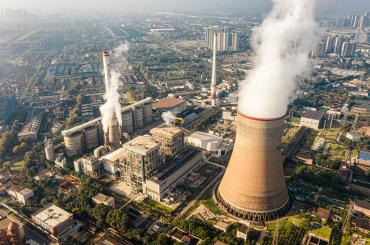
Paying to pollute: How carbon offsets actually raised emissions in China
Carbon offset programmes aim to lower emissions by allowing high-income countries to meet part of their reduction targets by financing projects in low- and middle-income countries. Evidence from China—one of the world’s largest suppliers of these pro...
-
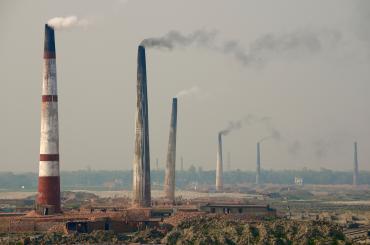
Improving practices at Bangladesh’s brick kilns: A win-win for business and the environment
New evidence from Bangladesh shows that aligning business owners' profit motives with environmental and health goals can effectively reduce the harm caused by pollution from brick kilns.
-

Do carbon offsets work? Evidence from the world’s largest offset programme
Carbon offset programmes allow polluters to pay others to reduce emissions on their behalf. In theory, this can achieve the same emissions reductions at a lower cost, but only if the payment actually incentivises the recipient to cut emissions. If of...
-

Going green in China: Firms’ responses to stricter environmental regulations
Firms are reactive to better enforcement of emission controls. This effect is more apparent among firms in industries with higher pollution intensity
-

Does foreign investment create green growth?
A study in Indonesia reveals that foreign acquisitions lead to a 30% improvement in energy efficiency within two years