


Recent work by Hope Michelson
-
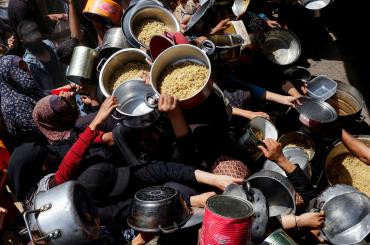
The leading global early warning system for food insecurity misses millions in crisis
The leading global early warning system for acute food insecurity systematically underestimates the scale of crisis-level hunger, missing around one in five people affected. As a result, global assessments significantly understate the scope of global...
-
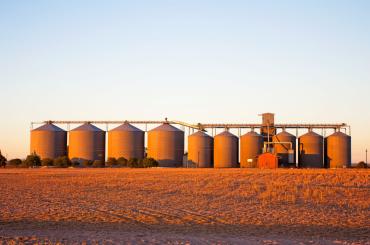
African agriculture's underappreciated supply side
Low agricultural productivity in sub-Saharan Africa cannot be explained by farmer behaviour alone, as major supply-side failures in input markets mean improved seeds and fertilisers often fail to reach farmers at the right time, price, or scale. Understanding the risks, incentives, and constraints faced by agro-dealers is essential if technological advances are to translate into sustained productivity gains.
-
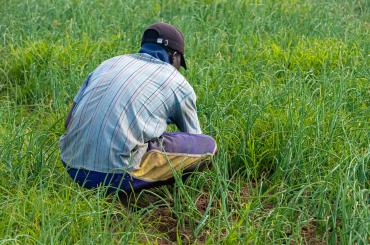
Building trust in the quality of fertilisers in Tanzania
A low-touch information campaign in Tanzania improved farmers’ confidence in the quality of fertiliser, leading to an increase in purchases
-

Why farmers might prefer to sell at harvest: Evidence on price risk and storage from Sub-Saharan Africa
Prices don’t always rise after harvest, so rather than store maize and risk selling later at a lower price, farmers may prefer to sell straight away
-
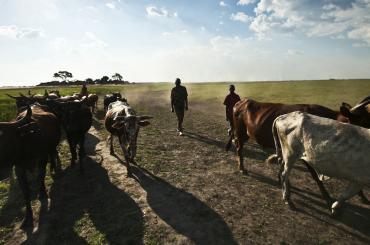
Do asset transfers build household resilience?
Incorporating a measure of resilience in anti-poverty programmes can help predict poverty dynamics and sustainability
-
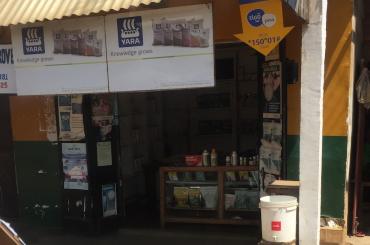
Misperceived quality: Fertiliser in Tanzania
Evidence from Tanzania shows fertiliser quality is not the problem, rather it is farmers’ perceived belief of bad fertiliser quality that is