


Recent work by Paul Niehaus
-

Money for nothing: The roles of evidence in GiveDirectly’s journey to $1 billion delivered
Is it nuts to give cash to the poor without strings attached?
-
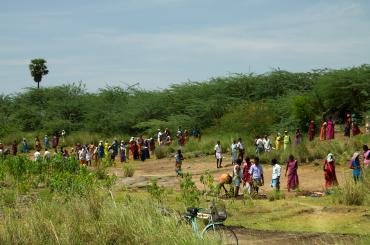
Reforming India’s public works scheme raised incomes
Improving the payment infrastructure for India’s National Rural Employment Guarantee Scheme raised incomes — mostly through increases in non-programme earnings
-
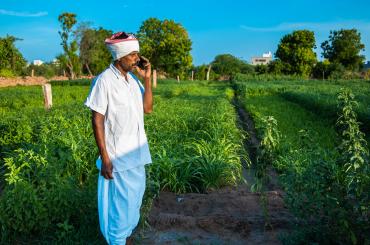
Improving last-mile service delivery using phone-based monitoring: Evidence from India
Monitoring a programme by calling recipients is a cost-effective way to improve implementation quality
-
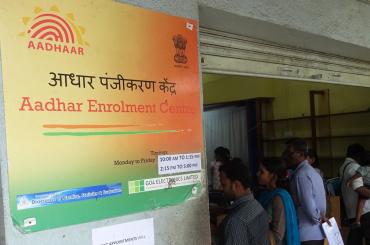
Balancing corruption and exclusion: Incorporating India’s Aadhaar into public food distribution
Fighting corruption with India's new national ID system has cost some low-income households their benefits in the process
-

RCTs: Why scale matters
How does scaling up randomised controlled trials make them more effective?
-

Why studies should be conducted on a larger scale
Karthik Muralidharan and Paul Niehaus argue that when we test things at a small scale, they might not be predictive of how they perform at a larger scale
-

Smartcards for smarter payments
Biometric technology and smart ID cards reduced leakage due to corruption and raised participation rates in the welfare system in Andhra Pradesh, India
-
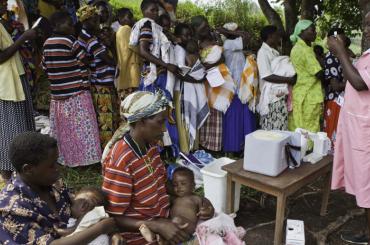
The future of social assistance in Africa and beyond
A discussion hosted by the Centre for the Study of African Economies, two visionary thinkers in a discussion on the future of social assistance through cash transfers.