

Afghanistan
-
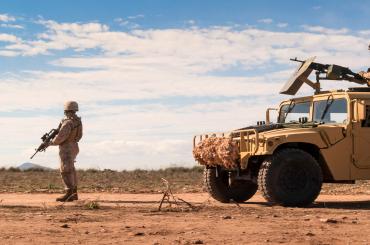
When foreign troops undermine community cohesion in conflict zones
In Afghanistan, counterinsurgency efforts weakened community ties and local trust – ultimately undermining the foundations needed for reconstruction and peace.
-
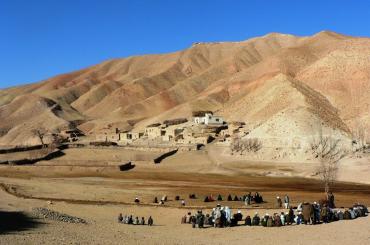
Can development aid counter insurgencies? Lessons from Afghanistan
Despite extensive investment in development initiatives aimed at building state legitimacy and countering insurgencies, evidence from Afghanistan suggests that such programmes can reduce violence when insurgencies are locally driven but may misalloca...
-
Too many cooks? How aid fragmentation fuels corruption in fragile states
When delivered by a single donor, development aid appears to curtail corruption. However, under donor fragmentation, these benefits are significantly diminished.
-

What mobile data can tell us about religion in conflict zones
New research uses mobile phone transaction data to shed light on the nature of religious adherence in Afghanistan, revealing that religiously motivated insurgent violence reduces religiosity while climate-induced income shocks increase religiosity.
-
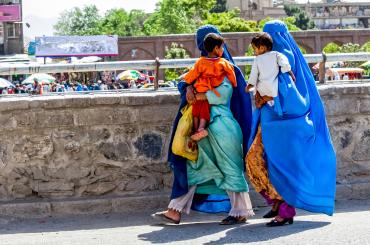
War in the womb: How conflict hurts children in Afghanistan
As global conflicts grow, new evidence from Afghanistan shows that girls exposed to war violence in utero suffer long-term setbacks in learning and development. Addressing these hidden costs of conflict must be part of any strategy for peace and reco...
-

Building state capacity in fragile states: Evidence from Afghanistan
The Mobile Salary Payment (MSP) reform in Afghanistan was an ambitious effort to build administrative capacity in one of the world’s most fragile states. Evidence on its impacts sheds light on what helps to improve state performance, and how fragilit...
-
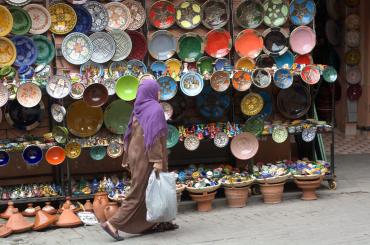
Can digital humanitarian aid reach vulnerable populations in fragile states?
Evidence from Taliban-controlled Afghanistan shows that digital aid is a cost-effective, credible, and efficient way to reach vulnerable populations, in this case poor, tech-illiterate, female-headed households, in fragile states.
-
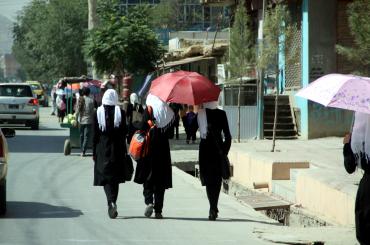
The impact of a gender quota on women’s education in Afghanistan
Gender gaps in access to education have persisted in low- and middle-income countries, despite all but closing in high-income countries. Affirmative action for women in public universities in Afghanistan increased the share of women admitted by 32%. ...
-
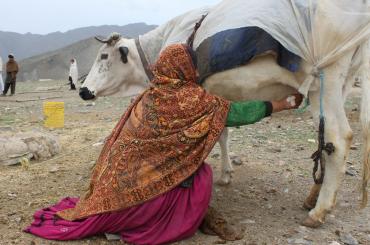
Evaluating the impact of the Targeting the Ultra Poor programme in Afghanistan
Two years after receiving a ‘big push’, women in some of the country’s poorest households perform better across many dimensions, including equality