


Recent work by Asim Ijaz Khwaja
-
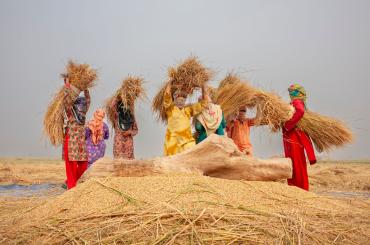
When women can’t move freely and easily, they can’t participate in the labour force
Women’s participation in skills training Pakistan is constrained primarily by social and safety barriers, rather than preferences or the ability to monetise skills. Evidence from interventions that reduce these constraints shows that addressing mobil...
-
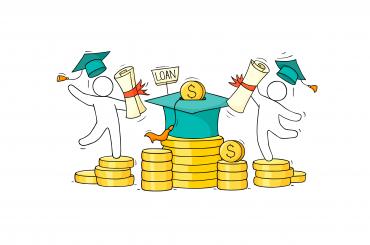
Impact investing in education: Delivering financial and social returns for investors
Evidence from Pakistan shows that impact investments in education consistently improve the lives of children, while generating financial returns for investors.
-

Helping schools to thrive: Impact investment in global education
What role can impact investors play in the global education sector? Which investments in private schools are effective? What criteria should investors use when deciding which schools to support?
-
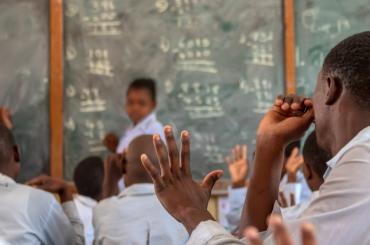
Education markets and systems in low- and middle-income countries
What is the fairest and most efficient way to improve not just access to education, but outcomes too?
-

The education spending multiplier: Evidence from schools in Pakistan
Grants given to public schools in Pakistan increase test scores in both public and private schools as a result of increased competition
-

Building trust in state institutions: Evidence from Pakistan
Providing information about reforms in local courts increases trust in state institutions and decreases use of non-state dispute resolution mechanisms
-
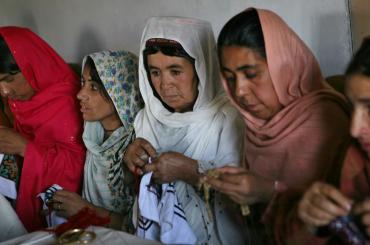
Breaking down access constraints faced by women: Experimental evidence from Pakistan
How can policymakers ensure high take-up rates for programmes designed to increase women’s economic empowerment?
-
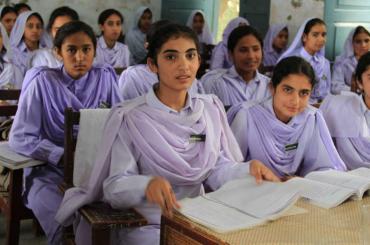
The power of information in improving school performance
Giving parents information on the performance of schools in Pakistan improved test scores and enrolment, and reduced the cost of private school tuition