


Recent work by Britta Augsburg
-

Policy lessons from new advances in sanitation economics
To effectively improve sanitation in low-income areas, policy must address a number of key issues, including credit market failures, environmental externalities, social preferences and low public sector capacity
-

Increasing the adoption of safe sanitation infrastructure: Evidence from India
Labeled microcredit loans increase the take-up of safe toilets, but take-up and conversion are influenced by intra-household gender differences in perceptions and bargaining power
-
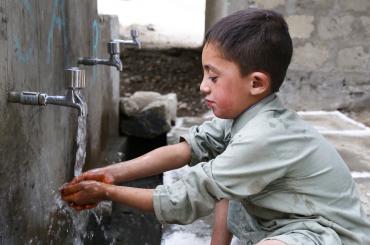
Sustaining behavioural change: Evidence from rural Pakistan
Where community interventions lead to behaviour change, continued interactions are needed to help people maintain healthy behaviours
-

Incentivising quality of public infrastructure excludes users and worsens public health
A study of community toilets in India shows importance of fully subsidising basic services and of measures to prevent overcrowding and degradation
-
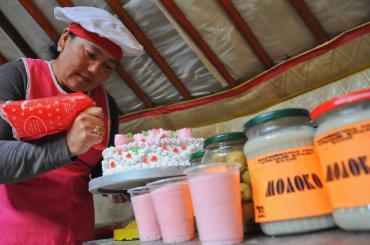
Can joint-liability microcredit help to share entrepreneurial risks? Insights from Mongolia
By allowing risk sharing, joint-liability lending can foster entrepreneurship among microcredit borrowers
-
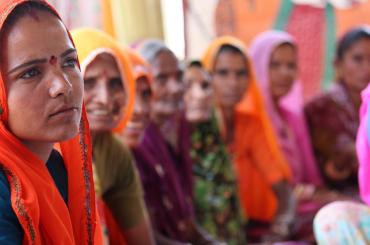
How women’s social networks vary with wealth and status: Evidence from India
Isolation is common amongst women living in contexts with restrictive gender norms but varies across socioeconomic groups