

climate change
-
Climate Adaptation: Issue 2
-
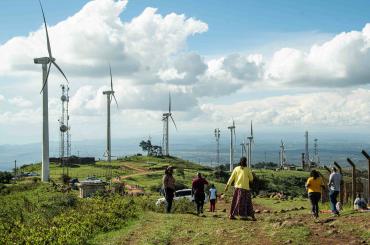
Economic evidence to support effective climate policy at COP29
As COP29 approaches, development economics can provide useful tools and insights to help tackle climate change.
-
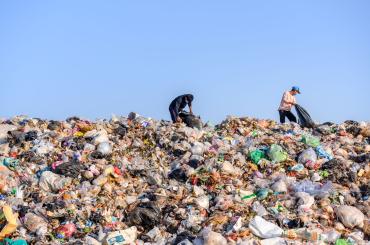
Why waste segregation policies fail – and how training makes them work
Citizen training that builds households’ practical capability to segregate waste can deliver large, persistent and socially amplified improvements in waste management, making it a highly cost-effective climate policy in resource-constrained cities.
-
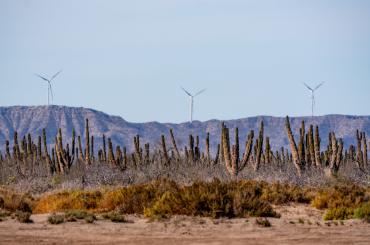
Climate adaptation and vulnerability in Mexico
A one-size-fits-all approach to climate change won’t work in Mexico, where climate adaptation is highly unequal. Currently, private responses such as air conditioning, migration, and financial adjustment play a central role. These mechanisms are ofte...
-
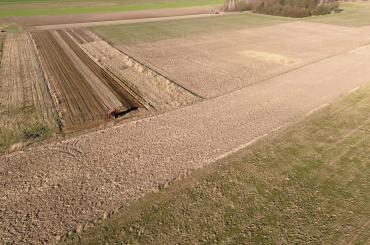
How climate change could trap workers in agriculture
Climate change is likely to keep more labour in agriculture in the very regions where agricultural productivity suffers most, exacerbating the ‘food problem’ just as economies would benefit most from diversifying away from agriculture.
-
A proposal for a unified global carbon market
Fragmented carbon markets, especially voluntary offsets, lack the credibility and scale needed to drive global decarbonisation. A proposal for an opt-in, unified global compliance carbon market could reduce emissions cost-effectively while channelling finance to lower-income countries.
-
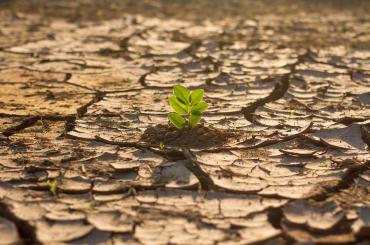
Africa faces a climate-conflict poverty trap. Growth is the best solution.
New projections highlight the feedback loop between lower growth and increased conflict risk in Africa under climate change.
-
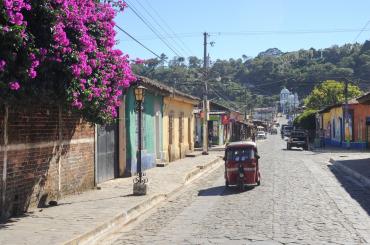
Climate change and rural livelihoods: How extreme heat drives international migration from El Salvador
In El Salvador, extreme heat lowers agricultural productivity and rural incomes, pushing farmers – especially those with strong migrant networks – to use international migration as a climate adaptation strategy.
-

How economic evidence – and its gaps – can inform policymaking at COP30
COP30 presents an ambitious agenda for advancing climate goals amid unprecedented global uncertainty. How can the economic evidence covered on VoxDev since COP29 – on biodiversity, agriculture, cities, health, and renewables – and the subsequent gaps, help shape more effective policymaking?