


Recent work by Emily Breza
-
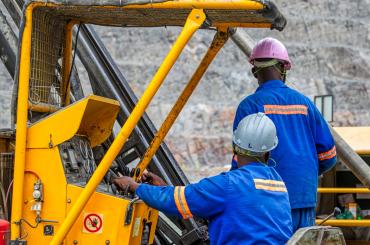
Why labour markets look different in low-income countries
Labour markets in low-income countries are characterised by informal work, in which most people cycle between casual wage labour and low-return self-employment, facing weak returns to skills and experience. Improving outcomes will require not just more education but better matching, as well as a deeper understanding of worker constraints and employer behaviour.
-
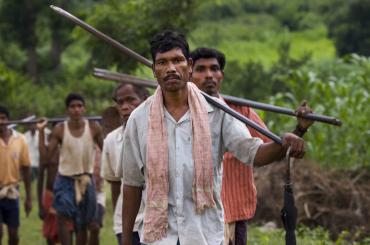
Labour rationing: Evidence from Indian labour markets
Many rural workers turn to self-employment for lack of available jobs, not visions of entrepreneurship
-

Learning to navigate a new financial technology: Evidence from Bangladesh
How do consumers learn to navigate a new financial technology? An experiment with workers from Bangladesh suggests that experience makes a difference
-
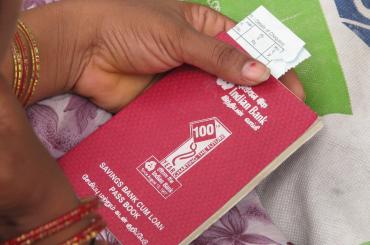
The unintended impacts of formal credit programmes on social networks: Evidence from India
The introduction of financial institutions in communities may generate long-lasting externalities, including losses in informal social linkages
-
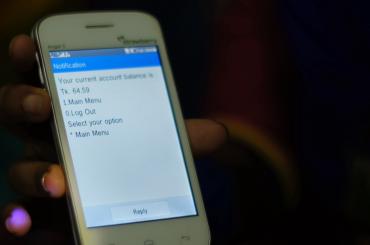
Learning-by-doing: Navigating financial technologies among Bangladeshi factory workers
How automatic payments can help individuals save more and better protect themselves against consumer risks
-
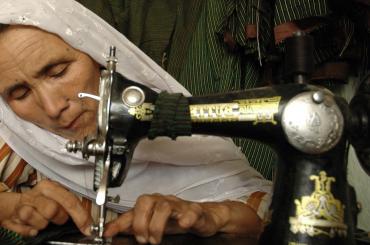
Can microfinance unlock the poverty trap for some entrepreneurs?
Microfinance has potentially transformative impacts for some entrepreneurs, especially those who otherwise would be stuck in a poverty trap
-
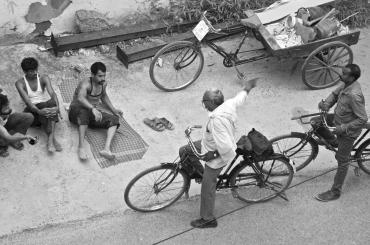
Scabs: The social suppression of labour supply
Social norms help sustain wage floors with workers taking jobs at wage cuts in private, but rejecting them in public due to fear of sanctions
-
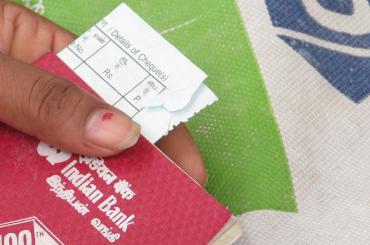
Measuring the equilibrium impacts of credit: Evidence from the Indian microfinance crisis
Revoking access to microcredit was costly – and not just for the households that borrowed