

FLFP
-
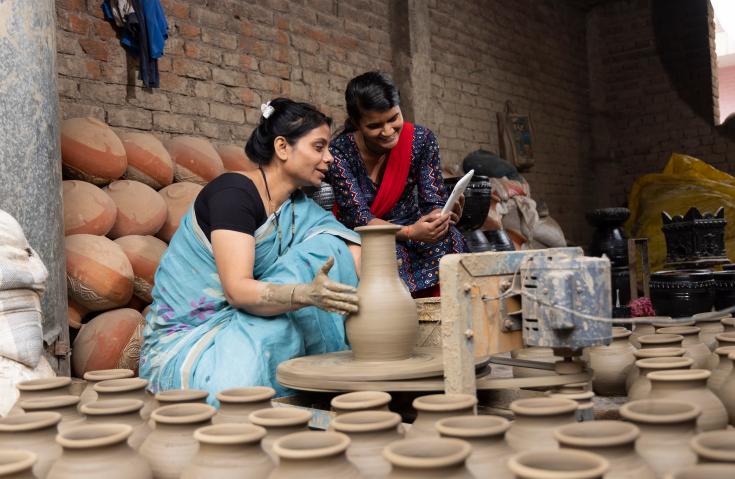
Female Labour Force Participation: Issue 2
-
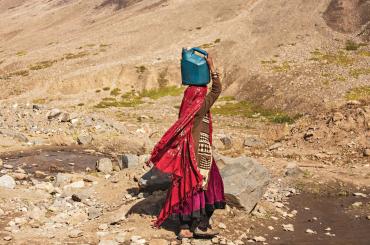
Female labour force participation in Pakistan and the central role of norms
The majority of women in Pakistan do not access paid, formal work. They are trapped in low-productivity agriculture and the informal sector by social norms that impose heavy domestic burdens and stigmatise working outside the home. Effective policy m...
-

When development reduces women's employment
Increasing women’s labour force participation and career progression is a key priority for policymakers in developing and developed economies alike. A central question is whether economic development and rising incomes naturally lead to greater femal...
-

How Chile's maternity leave extension boosted women’s employment
Extending maternity leave from 12 to 24 weeks in Chile increased mothers' formal employment for up to three years after childbirth, with no negative medium-term effects. This suggests that maternity leave expansions can strengthen labour market attac...
-
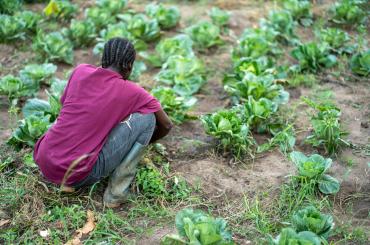
How mental health affects women’s labour force participation in Ghana
Among women in rural Ghana, depression and anxiety reduce take-up for jobs outside the home, but have no effect on productivity or earnings when the same job is offered at home – suggesting that work environment is a key barrier to labour market part...
-
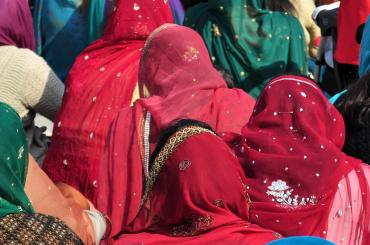
The race between the marriage and the labour markets
In Pakistan, encouraging women to apply for jobs immediately after graduation significantly improves their likelihood of working by enabling them to enter the labour market before marriage pressures intensify. Results are driven by the women who misp...
-
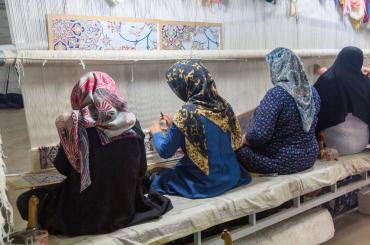
When protection backfires: The impact of labour reform on women’s employment in Iran
When female labour reforms fail to align with employer incentives, they can deepen rather than reduce gender disparities in the labour market, as shown by Iran’s 2016 reform.
-
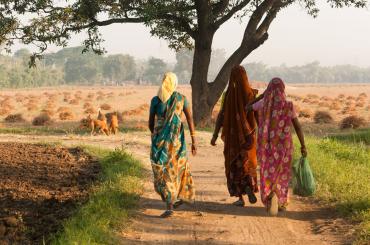
Markets, marriage, and norms: Understanding female labour force participation in India
Despite recent gains due to rural self-employment, India’s female labour force participation remains constrained by entrenched social norms and a limited availability of quality jobs – keeping the gender gap in work persistently wide.
-
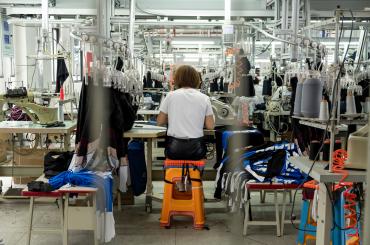
Boosting women’s labour force participation in China: Current state and challenges
While the female labour force participation rate in China is currently above the global average, it has declined in recent decades, and women still face numerous structural challenges in the labour market. What are these barriers, and how can policy ...