

gender
-
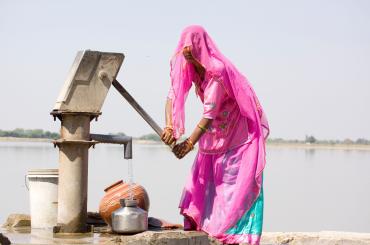
Gender and development: 36 insights from research
What do we know about the challenges faced by women and girls worldwide, and what can we do about them? Evidence from 18 developing countries helps elucidate this.
-

Understanding the causes and impacts of Gender-Based Violence to shed light on policy solutions
Around one in three women suffers Gender-Based Violence at least once in their lifetime. What drives this pervasive issue and what are the main risk factors? How can we effectively address and prevent it?
-
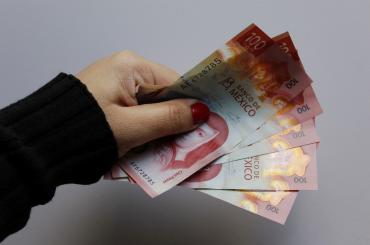
How targeting cash transfers at women strengthens bargaining power within the household
In Mexico, income transfers targeted at women are effective at improving their decision-making position within the household, translating into significant changes in household consumption and time allocation patterns.
-
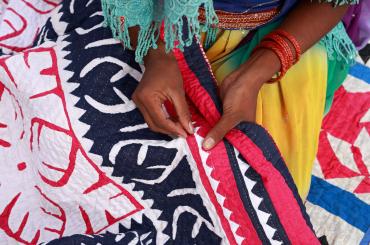
Roshaneh Zafar on 30 years of microfinance and mindset change in Pakistan
Kashf Foundation founder Roshaneh Zafar reflects on three decades of microfinance in Pakistan – from replicating the Grameen model to pioneering gender bonds, micro-insurance, and climate-resilient lending for over one million women clients.
-
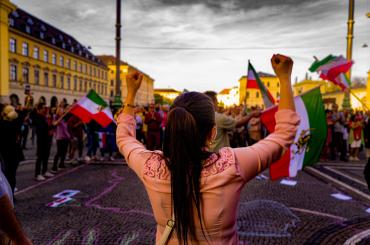
Women, Life, Freedom: How the 2022 protest movement reshaped Iran
Iran’s 2022 protest movement, ‘Women, Life, Freedom’, revealed the extent of public support for women’s rights. The regime made no legal concessions, yet behaviour changed.
-

When development reduces women's employment
Increasing women’s labour force participation and career progression is a key priority for policymakers in developing and developed economies alike. A central question is whether economic development and rising incomes naturally lead to greater femal...
-

Can unions reduce gender gaps at work?
Prioritising women in collective bargaining led unions to expand female-friendly workplace amenities, increasing women’s retention and productivity without reducing wages, employment, or firm profits.
-

Are women better politicians?
In India, women city councillors outperform men. Yet gender quotas actually reduce the overall welfare of voters as deep-seated discrimination against women outweighs policy gains. Alternative designs can improve both representation and welfare.
-

Can mass media empower women after conflict?
Radio programmes targeted at women in post-war Japan increased women’s political participation and accelerated fertility decline, but had limited impact on labour market outcomes where structural barriers persisted.