

informality
-
Informality: Issue 2
-
How does cheap access to foreign technology impact the informal sector?
In Mexico, reducing tariffs on imported inputs helped workers move from informal to formal employment, particularly benefiting skilled workers who are most complementary to foreign technology.
-
Why do many firms start informal before formalising a few years later?
Many formal firms in sub-Saharan Africa only register after operating informally for a few years in order to grow and overcome financial constraints. Evidence from Nigeria suggests that taxes and enforcement – rather than registration costs alone – a...
-

Rethinking the agricultural productivity gap: Informality matters
After adjusting for labour input differences, the apparent agricultural productivity gap in India is largely a formal-informal sector divide. Differences in education and labour hours fully explain the productivity gap between informal sector and agr...
-
Could rural-urban climate migration help formalise the economy?
Evidence from Brazil shows that drought-driven rural-urban migration reduced urban informality over a decade, contradicting conventional wisdom.
-
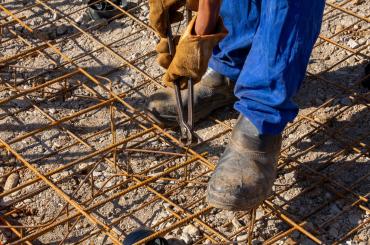
Informality and the effects of minimum wage policy in developing countries
Increases in Brazil’s national minimum wage between 2000 and 2009 moved the country from a regime of low minimum wage bite to one of high bite. This column exploits variation in the bite of the reform across states and industries to reveal immediate ...
-

How goal setting improves worker performance in small firms: Evidence from cassava processors in Ghana
In Ghana, a simple, low-cost intervention – helping informal workers set daily goals – significantly improved workers’ and firms’ performance, suggesting that non-binding incentives may be an effective means to foster the growth of small firms in dev...
-
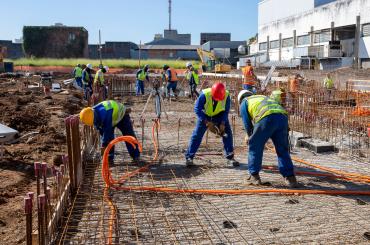
The hidden costs of formalisation: Evidence from labour inspections in Brazil
In Brazil, labour inspections reduce informality but harm workers and firms when rigid labour regulations leave them with little room to adjust.
-
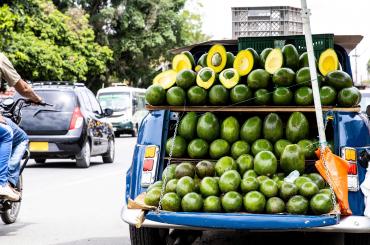
What have we learned about the informal sector?
Developing countries have large, complex informal sectors. Informality provides workers and firms with flexibility at the cost of security, often leaving individuals worse off in the long-term. What have we learned from research on informality, and how can we use it to inform policy?