

Integrating refugees
-
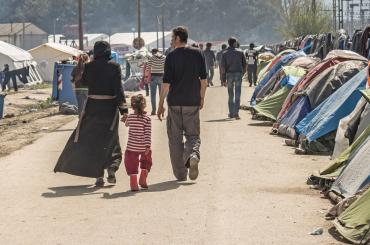
Integrating refugees: What policies work best?
Refugee flows are increasingly structural rather than temporary, and while most refugees remain in neighbouring low- and middle-income countries, evidence from high-income settings shows that early, well-sequenced integration policies make a decisive difference. Granting swift access to work, investing in language training and job matching, and aligning placement with labour market demand can turn short-term fiscal pressures into long-term economic gains for both refugees and host economies.
-
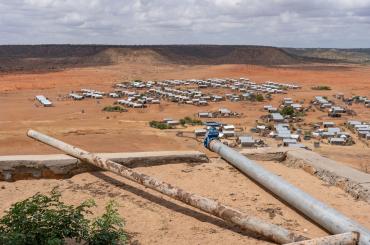
How do labour market fears shape attitudes toward refugees?
Evidence from Uganda and Ethiopia suggests that host prejudice against refugees increases when refugees are perceived as direct job competitors, but not necessarily when actual competition exists.
-
Helping vulnerable populations through adaptive field experiments
An adaptive field experiment aiming to integrate Syrian refugees into urban labour markets in Jordan sheds light on the effectiveness of different policies, while targeting the welfare of experimental participants.
-
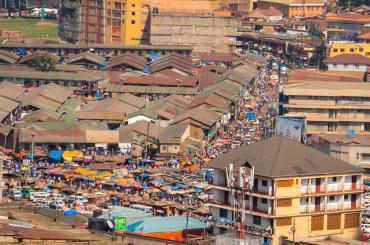
Can financial redistribution shape attitudes toward refugees?
Policy changes that raise aggregate welfare, but whose benefits are unevenly distributed, are often politically unfeasible. Politicians may recognise the overall gains from refugee integration, for example, but block visas or permits due to local peo...
-

Integrating refugee children through teacher training
Special training for teachers in Turkey aided refugee children’s integration into the education system and improved key educational outcomes
-
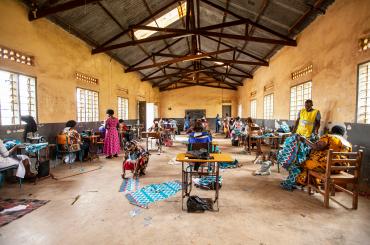
Helping refugees integrate into the labour market: Evidence from Uganda
Working together with one refugee worker for one week increases firms’ likelihood to hire more refugees by adjusting business owners’ beliefs about refugees’ skills