

Labour Markets
-

Thinking like an economist about AI, labour markets, and AGI
How do economists think about the economic impacts of AI today? And will our current economic paradigm still make sense if we reach AGI?
-

Gender inequality in labour markets: Why growth and education are not enough
Gender inequality in labour markets persists across rich and poor countries despite gains in education and legal rights, with women continuing to earn less, work under more constrained conditions, and shoulder most unpaid care work. Closing these gaps requires more than growth and job creation, demanding policies that address care burdens, social norms, and the broader economic structures shaping women’s opportunities.
-

Learning how business is done: Management styles and labour market inclusion
Existing efforts to promote upward mobility in low-income countries focus on broadening access to education. However, evidence from Ethiopia shows that professional socialisation (learning professional norms) may be a key constraint to this mobility,...
-

Why labour markets look different in low-income countries
Labour markets in low-income countries are characterised by informal work, in which most people cycle between casual wage labour and low-return self-employment, facing weak returns to skills and experience. Improving outcomes will require not just more education but better matching, as well as a deeper understanding of worker constraints and employer behaviour.
-

The hidden costs of formalisation: Evidence from labour inspections in Brazil
In Brazil, labour inspections reduce informality but harm workers and firms when rigid labour regulations leave them with little room to adjust.
-

Improving worker well-being: Good for workers, good for business
Firms in developing countries are infamous for their poor working conditions—often justified in the name of productivity. A new research review, however, finds that improving working conditions not only benefits workers but can also enhances firm productivity.
-

Development Dialogues: Are vocational training programmes effective?
Have vocational training programmes in low- and middle-income countries been an effective development intervention?
-
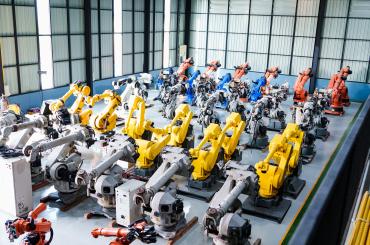
Will robots replace workers? Lessons from China
Robot adoption has skyrocketed in China in the last decade. New research finds that this exposure has led to a decline in employment and wages, influencing workers’ training and retirement decisions. How can developing countries prepare themselves fo...
-

How will AI impact jobs in emerging and developing economies?
Artificial Intelligence, particularly Generative AI, is rapidly transforming labour markets worldwide. While its adoption has sparked optimism about its potential to spur productivity gains, it also raises concerns of widespread job displacement. The...