

minimum wage
-
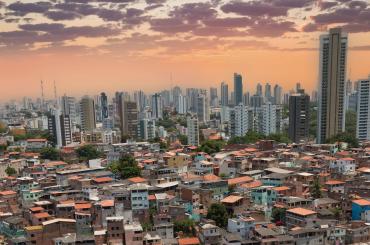
What education and minimum wages can – and can’t – do about wage inequality
In Brazil, education raised productivity and reduced informality, while minimum wage increases compressed inequality but risked lowering formal employment for low-skilled workers.
-
Informality and the effects of minimum wage policy in developing countries
Increases in Brazil’s national minimum wage between 2000 and 2009 moved the country from a regime of low minimum wage bite to one of high bite. This column exploits variation in the bite of the reform across states and industries to reveal immediate ...
-
Do minimum wage hikes destroy jobs?
Repeated increases in the real minimum wage in early-2000s Argentina – implemented amid moderate inflation and an economic recovery – did not lead to higher job destruction as firms were able to absorb higher costs without resorting to terminations.
-

Boosting consumption in China: The effectiveness of minimum wages
Minimum wage increases in China are spent rather than saved, and are not associated with increased unemployment. In households with children, a significant portion of the additional income is allocated to healthcare and education.
-
Do minimum wages reduce employment in developing countries?
Employment is more likely to be reduced when the minimum wage is binding, in the formal sector, when enforcement is strong, and for vulnerable workers
-
How a rising minimum wage reduced earnings inequality in Brazil
Over a 16-year period, the Brazilian government more than doubled the real minimum wage. During the same time frame, earnings inequality decreased substantially