

Mobile money
-
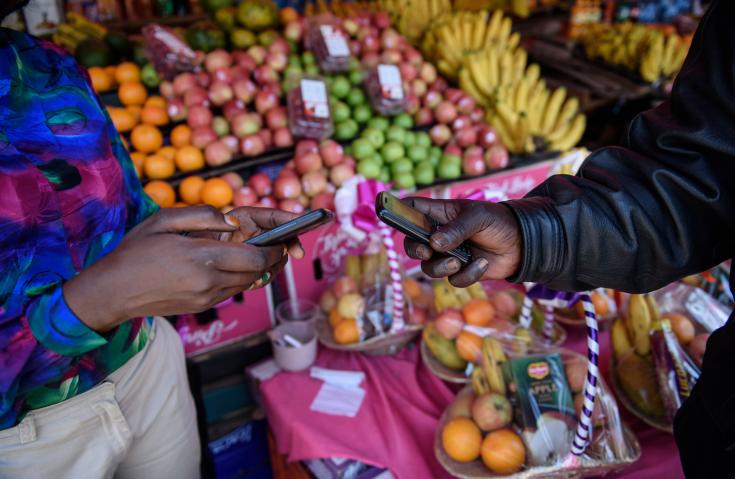
Mobile Money: Issue 2
-
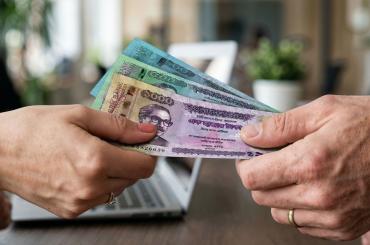
The future of microfinance in Bangladesh
Traditional microcredit rarely transforms the economic lives of the poor in Bangladesh, but targeted product innovations – including flexible repayment schedules, enterprise-focused loans, and digital disbursement – show meaningful gains for borrower...
-
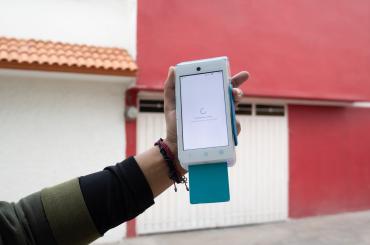
Why some digital payment systems replace cash and others don’t
Instant payments can substitute for cash when adoption moves quickly beyond high-income early users. Evidence from Brazil, Costa Rica, and Mexico finds that the key is a rapid low-income gradient: systems must combine low adoption costs, dense networ...
-
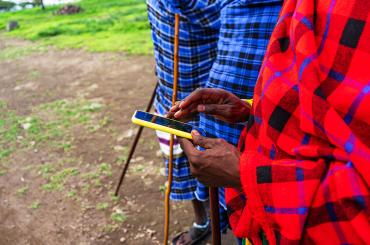
Why taxing mobile money can backfire
Mobile money taxes raise transaction costs and reduce usage, creating sizable efficiency losses – the burden falls disproportionately on unbanked and rural users.
-

Empowerment or protection? A potential trade-off in cash transfer design
In Uganda, digital cash transfers had contrasting effects on women’s empowerment: mobile money boosted women’s personal income and decision-making power, while jointly disclosed cash transfers reduced intimate partner violence by fostering trust and ...
-
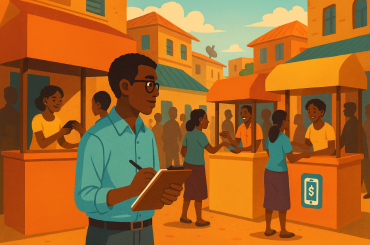
Partnering with business for development economics research
How can academics partner with the private sector to conduct research and have impact?
-
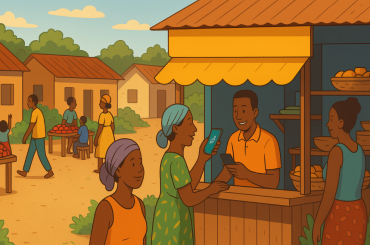
Mobile money in Ghana: Lessons for boosting financial inclusion
Improving transparency, increasing competition, and addressing gender disparities are key to reducing fraud and strengthening trust in mobile money markets.
-

Incentives versus endorsement: How to boost digital banking adoption and savings
Peer-led endorsement doubled mobile banking uptake and increased formal savings among women in Ghana.
-
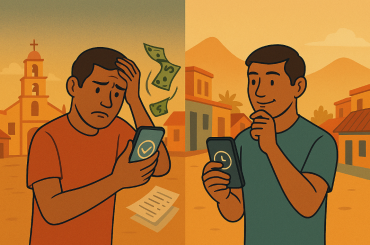
Slowing down digital loans to speed up repayment: Evidence from Mexico
While digital credit broadens market access and reduces frictions in developing countries, default rates are often high. In Mexico, reducing loan speed—by doubling delivery time—decreased the likelihood of default significantly. Such waiting periods ...