


Recent work by Seema Jayachandran
-

Women’s power at home
What has economic research taught us about women’s power in the household?
-
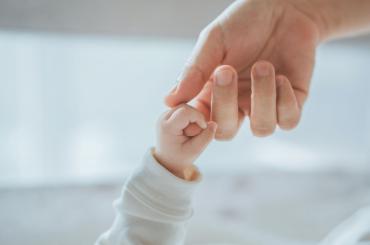
A three minute prompt to talk: Boosting parent-infant verbal engagement at low cost
A three-minute video intervention in Ghana prompted mothers to talk more to infants and boosted early language – at just $0.45 per child at scale.
-

Closing loopholes can dramatically improve financial incentives for conservation
Paying landowners to conserve their forested land is a leading approach to prevent deforestation. Evidence from Mexico shows that smarter contract design can more than quadruple cost-effectiveness.
-
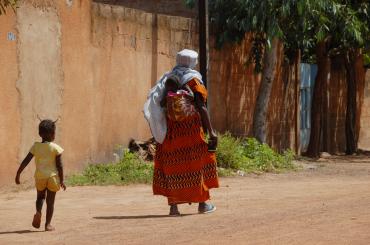
Free contraception had no impact on birth rates in Burkina Faso
Providing free access to all modern contraceptive products for three years in local public health centres in rural Burkina Faso had no detectable effect on birth rates, suggesting that fertility levels are in line with how many children families want...
-
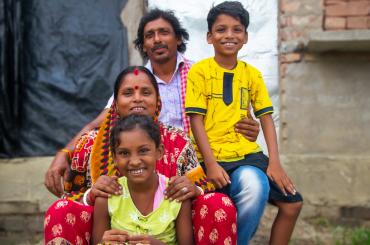
Ten facts about son preference in India
Gender gaps in child health have narrowed in India, but important gaps remain both for girls and younger brothers, and sex-selective abortion poses a new challenge
-

The economics of conservation in low- and middle-income countries
What have we learned about the economics of conservation? How can policymakers encourage conservation in low-income settings?
-
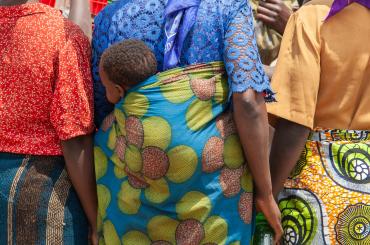
Does empowering women to communicate at home improve child health outcomes?
Adding communication skills training to health classes for mothers in Uganda increased women’s voice in household decisions but not sufficiently to generate transformative impacts on most child health outcomes
-

Reducing air pollution: Evidence from payments to reduce crop burning in India
Programmes that pay farmers not to burn crop residue face challenges with compliance, but contracts that include partial upfront payments can help
-
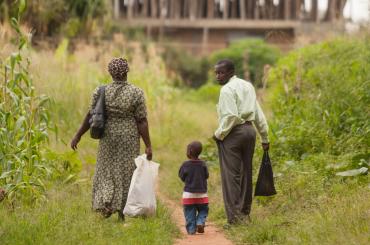
Mother-father differences in spending on children: Evidence from Uganda
Mothers and fathers spend differently on daughters relative to sons, which can perpetuate the benefits of empowering women today