


Recent work by Gaurav Khanna
-
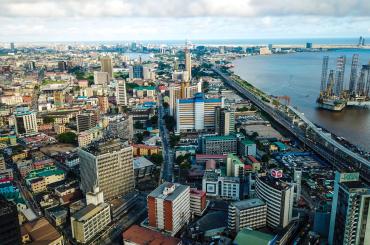
Where you live drives what you earn
Using data on 513 million workers worldwide, we show that location plays a major role in shaping earnings – and that better allocation of workers across cities could raise incomes, especially in developing countries.
-
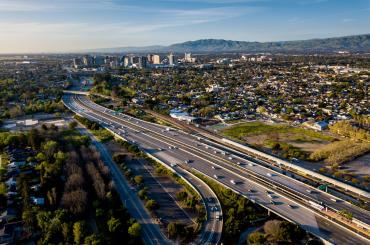
How skilled migration from Asia reshaped the US economy
Since the 1990s, high-skilled migrants from Asia have played a pivotal role in meeting US demand in technology, healthcare, and higher education, contributing to innovation, productivity growth, and improved services across the economy. Restricting these flows may not protect domestic workers as intended, but instead risk reducing long-term competitiveness and shifting talent and cutting-edge activity to other countries.
-
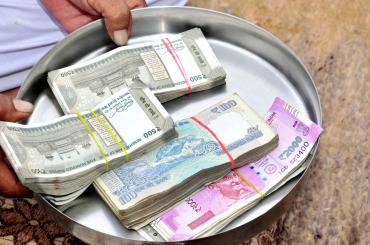
How dowry shapes migration decisions in modern India
New data from India shows that parents often retain a share of dowry, which may enable sons to migrate for work, and provide a new role for dowry in modern times.
-
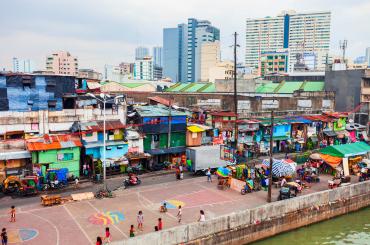
How does international migration affect economic development back home?
Income increases for international migrants from the Philippines fostered economic development and investments in education in migrant-origin communities.
-
Hometown conflict and refugees’ integration efforts
Heightened violence in the hometowns of Syrian-born students led to improved scores in their new Turkish schools
-

What are the long-term returns to large-scale education expansions?
Expanded public schooling in India increased education and earnings for students in targeted regions, but estimates of this effect are dampened when accounting for broader economic changes
-
The productivity consequences of pollution-induced migration in China
Productivity losses from pollution through the indirect migration channel are approximately as much as the direct health costs of pollution
-
Does affirmative action incentivise schooling?
Caste-based reservations in government jobs and colleges in India resulted in potential future beneficiaries staying in school longer
-

The development of modern Africa: Conflict, resources and institutions
Resource-rich countries do poorly when they have resource-rich neighbours, why? Possibly due to increased conflict.