


Recent work by Pulak Ghosh
-
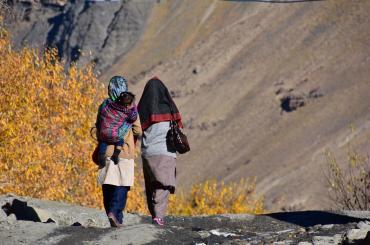
Women in India valued longer maternity leave, but it cost them jobs
Expanding paid maternity leave in India from 12 to 26 weeks led employers to cut women's employment by up to 10% and favour men for promotions, while leaving wages unchanged. Women greatly valued longer leaves such that the policy was broadly cost-be...
-

Why shadow banks beat traditional lenders in some markets but not others
In India, shadow banks do not compete with traditional banks through a single mechanism – fintech lenders use superior data technology to reach underserved borrowers in unsecured markets, while non-fintech shadow banks exploit lighter regulatory cons...
-
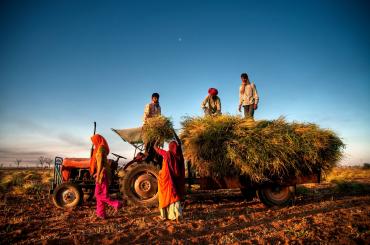
Guaranteed income as insurance: How safety nets in India encouraged productive investment in agriculture
In India, a guaranteed income programme acted as insurance rather than a substitute for credit, reducing downside risk for small farmers and increasing their willingness to borrow – unlocking large credit-financed gains in investment, productivity, a...
-

How expanding deposit insurance changed investor behaviour in India
In India, expanding deposit insurance coverage improved depositor welfare by reducing risk and encouraging a shift towards safer assets.
-

Does providing free sanitary pads keep girls in school?
A government-led, state-wide programme in India (the SHE Pad Scheme) which provided free sanitary pads in schools significantly reduced dropout rates among adolescent girls, primarily by increasing school attendance.
-
Political power-sharing, firm entry, and economic growth: Evidence from India
Politicians who share power impose checks and balances on each other, improving local governance and leading to better economic outcomes.