


Recent work by Rohini Pande
-
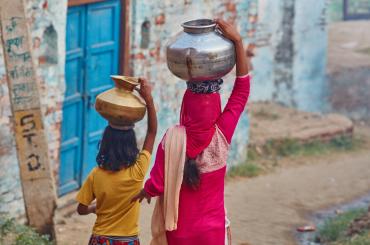
Overburdened bureaucrats, not corruption, are delaying public benefits in India
Delays in public benefit delivery can harm societies' most vulnerable households, but making management-relevant information more accessible to the bureaucrats implementing these programmes can meaningfully improve delivery speeds.
-

Carbon offsets are broken. Economists know how to fix them.
Carbon offsets can, in theory, reduce emissions efficiently, but in practice problems like non-additional projects, self-selection, and weak regulation mean they may fail to cut – and can even increase – global emissions unless embedded within properly capped compliance markets.
-
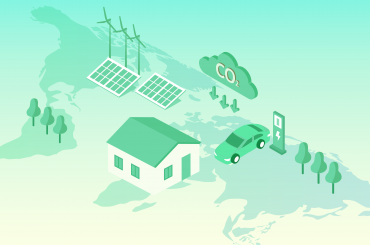
A proposal for a unified global carbon market
Fragmented carbon markets, especially voluntary offsets, lack the credibility and scale needed to drive global decarbonisation. A proposal for an opt-in, unified global compliance carbon market could reduce emissions cost-effectively while channelling finance to lower-income countries.
-

Financing climate adaptation: What works, what doesn’t, and can carbon credits help to bridge the gap?
The first episode of Development Dialogues, our new series with Yale's Economic Growth Center, explores how climate finance can reach those who need it most.
-

Broadening the horizon: Female representation on editorial boards and gender-related publications
How does having more women on the editorial boards of top economics journals influence what gets published? A new analysis reveals that as female representation on editorial boards rises, more women-authored papers are being published and there is an increased focus on gender-related research.
-

Regulating pollution in low- and middle-income countries
How can governments use environmental regulation to reduce pollution in low- and middle-income countries?
-
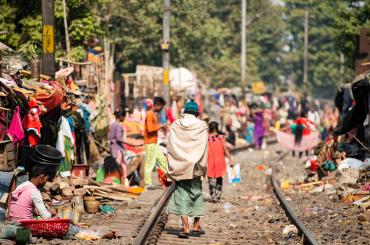
How does microenterprise growth impact child outcomes?
Enterprise growth for small businesses in India led to schooling gains for children of literate parents but schooling losses for children of illiterate parents, lowering relative intergenerational mobility
-
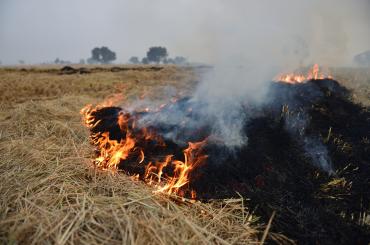
Reducing air pollution: Evidence from payments to reduce crop burning in India
Programmes that pay farmers not to burn crop residue face challenges with compliance, but contracts that include partial upfront payments can help
-
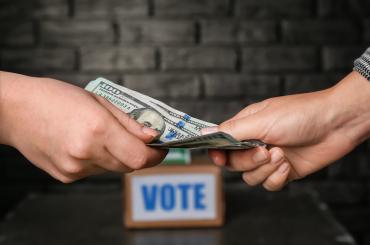
Do voters hold politicians accountable for vote-buying?
When voters receive payments, politicians are given greater leniency, and in turn steal more