

Women's Empowerment
-
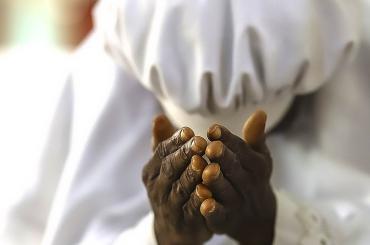
Why are so many women in Africa converting to Christianity?
The persistence of patriarchal clan-based orders around the world is a serious hindrance to development not least because they constrain women’s emancipation. Drawing on varied empirical evidence from sub-Saharan Africa, we argue that women’s convers...
-
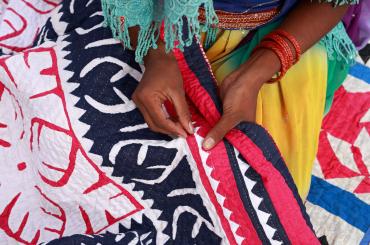
Roshaneh Zafar on 30 years of microfinance and mindset change in Pakistan
Kashf Foundation founder Roshaneh Zafar reflects on three decades of microfinance in Pakistan – from replicating the Grameen model to pioneering gender bonds, micro-insurance, and climate-resilient lending for over one million women clients.
-

Beyond access: When does digital finance actually empower women?
Digital financial services can meaningfully support women's economic empowerment across South Asia and sub-Saharan Africa, but only when products are designed around how women already manage money – with features that enable earmarking, smooth liquid...
-
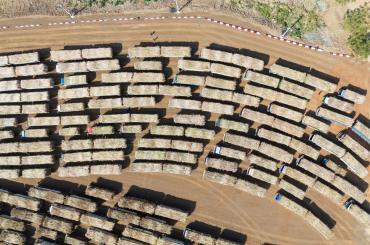
Including women in commercial agriculture benefits the whole household
Formally including Ugandan women in commercial agriculture – through contract ownership or behaviour-change interventions – can increase women’s empowerment without reducing productivity, and with positive spillovers for household welfare and gender ...
-
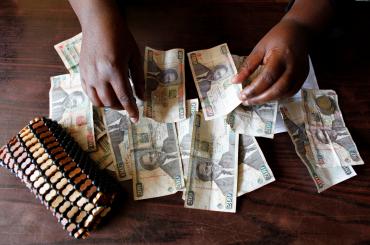
When do cash transfers empower women?
Pairing an aspirations workshop with a cash transfer helped Kenyan women gain control of household resources and reduced intimate partner violence.
-
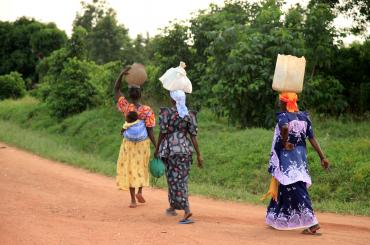
Empowerment or protection? A potential trade-off in cash transfer design
In Uganda, digital cash transfers had contrasting effects on women’s empowerment: mobile money boosted women’s personal income and decision-making power, while jointly disclosed cash transfers reduced intimate partner violence by fostering trust and ...
-
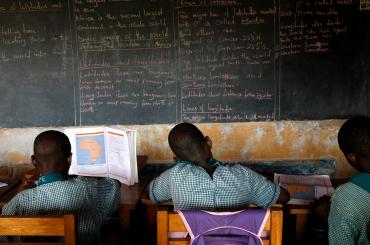
Expanding secondary education in Uganda: A pathway to women's empowerment
Despite the increased access to primary education in sub-Saharan Africa, secondary school enrolment and completion remains low. Evidence from Uganda reveals that universal secondary school policies can play a transformative role in women’s empowermen...
-
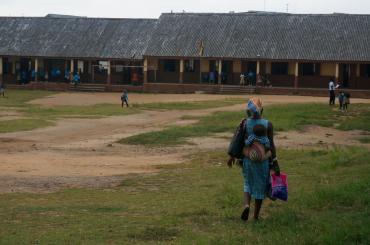
Subsidising secondary education has huge benefits, for this generation and the next
As countries in Sub-Saharan Africa debate the costs and benefits of subsidising secondary education, a 15-year RCT in Ghana finds large multi-generation impacts.
-
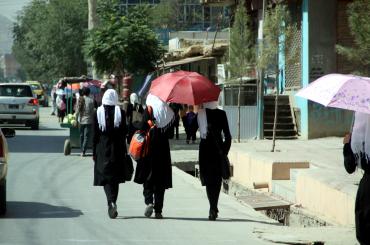
The impact of a gender quota on women’s education in Afghanistan
Gender gaps in access to education have persisted in low- and middle-income countries, despite all but closing in high-income countries. Affirmative action for women in public universities in Afghanistan increased the share of women admitted by 32%. ...