

Zambia
-
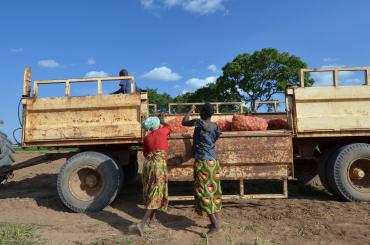
How smallholder farmers in Zambia are adapting to droughts
Evidence from over 6,600 farm households in Zambia finds that droughts reduce yields of maize, beans, and groundnuts while prompting smallholders to diversify crops, adopt resilient seed varieties, and expand cultivated area. This suggests that well-...
-

Dispelling the myth that contraceptives cause infertility increases uptake
Across Africa, early first-births remain the norm even as educational attainment has increased. Evidence from Zambia shows misperceptions and medical mistrust may be a key reason why.
-

How family pressure shapes hiring decisions and productivity in developing countries
Many businesses in developing countries hire workers from family networks. How does redistributive pressure from family influence hiring decisions? And how do these hiring decisions affect business profits?
-

Mobile money in Zambia: Opportunities, challenges & current policy debates
How are Zambians utilising mobile money? What effect does mobile money have on rural poverty? Could tax changes slow mobile money growth?
-
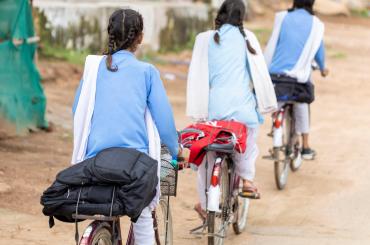
Pedalling towards gender equality and empowerment
In Bihar, India and in rural Zambia, the government introduced programmes to address gender gaps in education by providing adolescent girls with bicycles for their commute to school. Discussing the immediate and long-term impacts of these initiatives...
-

Leveraging social networks in the fight against infectious diseases
Encouraging tuberculosis patients in India to refer others showing symptoms for testing led to a significant uptick in testing and the identification of new cases
-
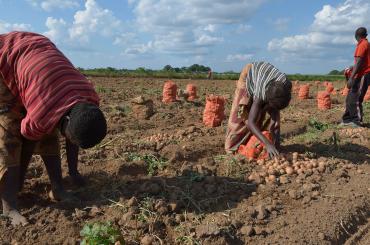
Seasonal liquidity, rural labour markets, and agricultural production
Loans allowed low-income households to reallocate labour away from the market and back onto their own farms, and thereby improve their own harvests
-
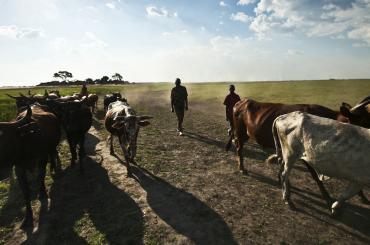
Do asset transfers build household resilience?
Incorporating a measure of resilience in anti-poverty programmes can help predict poverty dynamics and sustainability
-
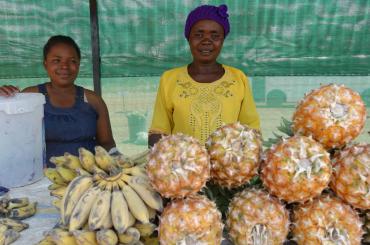
Can women find trust in the market?
In markets in Lusaka where chiefs serve as arbiter of contract disputes, women are more likely to trust their male counterparts and to share and cooperate more