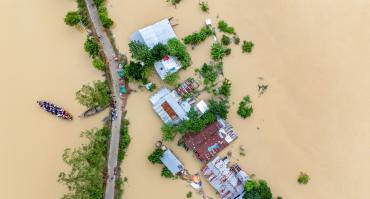
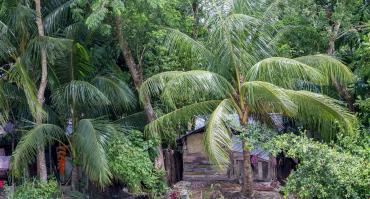
How will climate change impact Bangladesh? How should policymakers respond to the growing threats of climate change? What are key priorities for climate change adaptation in Bangladesh?
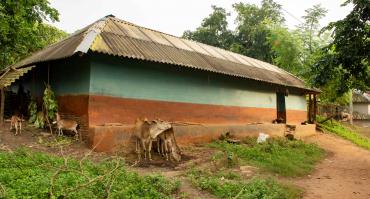
Since the 1990s, BRAC's targeting the ultra-poor approach has helped millions improve their standard of living. Why have ultra-poor targeting programmes been effective, and what is the future of these programmes?
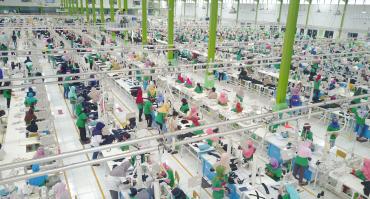
The US has imposed a 37% tariff on Bangladeshi garment exports, a sector that employs more than 4 million people. Rigorous evidence shows that export-led manufacturing in Bangladesh has boosted female labour force participation, increased girls educa...
There are fears that agricultural subsidies could attract farmers with low returns to use new technologies. Evidence from Bangladesh shows that without subsidies, the price of agricultural inputs is actually a barrier to adoption, highlighting that h...
A transfer programme in Bangladesh led to sustained consumption increases and reduced poverty four years post-programme, but design and context mattered.
A documentary film, shown to a majority group, portraying the daily lives, cultural practices, and socioeconomic struggles of a minority group in Bangladesh, increased prosociality and reduced complaints against the minority.
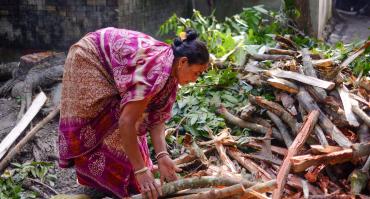
What are the barriers to women’s labour force participation in Bangladesh? What are some promising evidence-based policy options? Where is more evidence required?
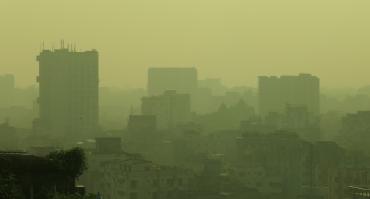
Households in Bangladesh hold inaccurate beliefs about indoor air pollution and the effectiveness of air purifiers. Correcting both beliefs is necessary to increase the adoption and use of air purifiers.