

Bangladesh
-

Qualitative interviews at scale: A new method with an application to aspirations
We develop a new method to analyse open-ended qualitative interviews with large samples, and apply it to interviews with Rohingya refugees and Bangladeshi hosts on parent’s aspirations for children, revealing dimensions of aspiration that standard su...
-
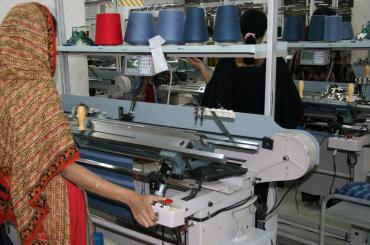
Why firms under-promote women – and how experimentation can fix it
In Bangladesh’s garment sector, firms often under-promote women because of biased beliefs and distorted learning about women’s managerial ability. However, temporary, low-risk trials can correct these beliefs and lead to sustained increases in female...
-

When should big data and algorithms be used to determine programme eligibility?
Although machine learning models using mobile phone data can make poverty targeting faster and more cost-effective, traditional survey-based methods remain more accurate. The optimal approach therefore depends on striking the right balance between co...
-

Scaling poverty alleviation: How group coaching makes graduation programmes more cost-effective
Group coaching in multi-faceted poverty alleviation programmes delivers the same results as individual coaching – at much lower cost.
-

Does index insurance work? Insights from eight experiments in agriculture
Index insurance can help smallholder farmers take on more productive risks, but its impacts remain modest, uncertain, and highly context dependent.
-
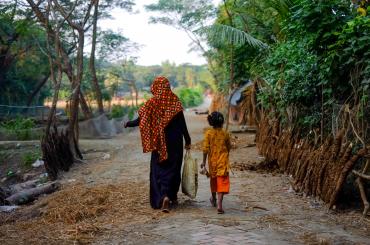
Managing menstrual hygiene: The economics of period poverty
Improving menstrual hygiene in low-income settings requires more than just access to products—it demands tackling stigma and restrictive social norms that threaten women's health and economic opportunity.
-

Heat hurts teamwork before it slows individuals
Mild heat exposure does not reduce individual computer programmer productivity but significantly impairs team performance, especially in more diverse teams, raising concerns about climate change impacts on modern collaborative work.
-

How interest rate caps increased the provision of credit to firms in Bangladesh
A cap on corporate loan interest rates in Bangladesh led to an increase in lending–without rationing credit to riskier borrowers–indicating banks have substantial upfront market power. What are the implications for interest rate regulation in develop...
-

Improving practices at Bangladesh’s brick kilns: A win-win for business and the environment
New evidence from Bangladesh shows that aligning business owners' profit motives with environmental and health goals can effectively reduce the harm caused by pollution from brick kilns.