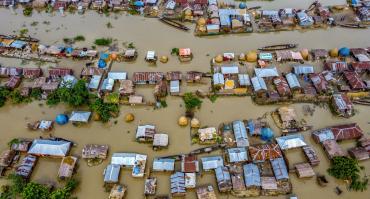
Evidence from a large-scale trial in Bangladesh shows that improving credit access in rural areas helped farmers adapt to flood risks without negative spillovers, and was profitable for microfinance institutions.
Employers can discriminate and restrict women from taking up employment opportunities deemed unsafe. Research from Bangladesh suggests female workers entering the labour market may suffer most from paternalistic discrimination, where male workers ‘pr...
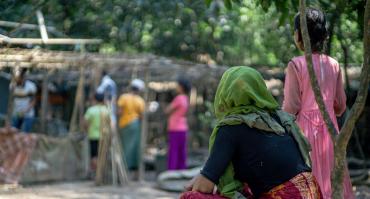
A low-cost play-based programme for refugee mothers and their children in Rohingya refugee camps in Bangladesh was remarkably effective at improving mental health and wellbeing
The majority of Bangladeshi migrants take on significant financial burdens to cover migration costs, but can enjoy high returns. Many returning migrants become small-scale entrepreneurs, using money saved while working abroad.
An early childhood health intervention in Bangladesh benefitted adult’s human capital and economic outcomes as well as human capital in the next generation
A cost-effective at-scale early childhood development intervention integrated into existing public service infrastructure led to positive impacts on child development in Bangladesh
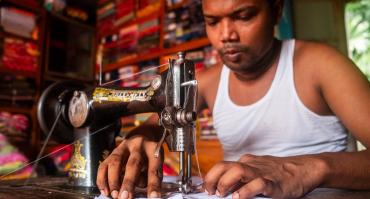
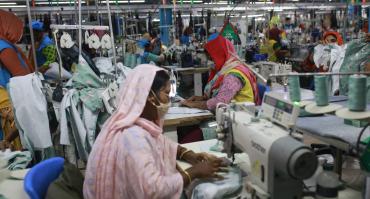
The sourcing strategies of global buyers can have profound implications for suppliers in low-income countries. Using novel data, research in the garment sector reveals how global buyers differ in their approach to sourcing and why that matters for su...
A novel survey method provides plausible deniability to workers reporting harassment in organisations and increased reported levels of threatening behaviour, physical harassment, and sexual harassment at a large Bangladeshi apparel producer