

coffee
-
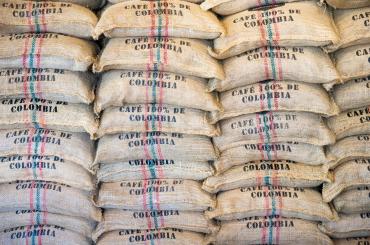
Is quality upgrading in agriculture a path to poverty reduction?
Under standard conditions in the Colombian coffee sector, the benefits of producing better coffee are not passed on to farmers, weakening their incentives to invest in higher-quality production. However, when a large international buyer required inte...
-

Education during commodity booms in low-income countries: Lessons from history
Commodity specialisation in Colombia during the late 19th and 20th centuries had negative impacts on the demand for education during a surge in global demand for coffee
-
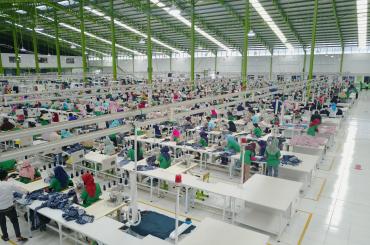
Global value chains and development
How does participating in global value chains impact developing countries?
-
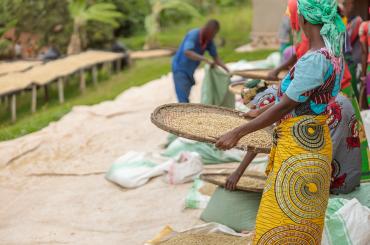
Paid work for women and domestic violence: Evidence from Rwanda
New coffee mills in Rwanda increase women's paid employment, and women's and their husbands' earnings, which decreases domestic violence
-
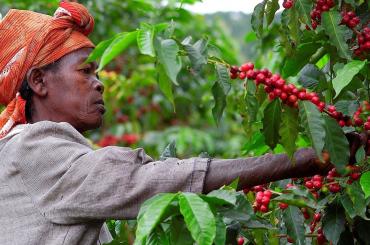
The dangers of emerging-market competition: Evidence from Rwanda’s coffee supply chain
Increased competition in agriculture markets sustained by informal contracts can diminish performance and value for all players in the supply chain
-
Strategic default in the international coffee market
Linking farmers to global markets could spur growth and reduce poverty, but if markets do not work well these gains cannot be realised