

Ethiopia
-

Building global supply chains and attracting investment
Bill McRaith on building factories from 1990s China to present day Ethiopia, being pitched by governments, and the future of the apparel industry.
-

How Ethiopia’s industrial parks drove development
Ethiopia’s industrial parks have substantially increased local economic activity, household living standards, and women’s empowerment, but the gains stay close to the parks and depend heavily on where parks are built.
-

Ethiopia’s economy: Mamo Mihretu on economic reform and the macroeconomic foundations of growth
Mamo Mihretu on export-led manufacturing, economic reform and the macroeconomic foundations of a growing economy.
-

The benefits of financial support after job loss and why programme design matters more than we think
In January 2022, the US suspended Ethiopia’s eligibility for the African Growth and Opportunity Act, ending Ethiopia’s preferential trade access to the US market, and leading to a major increase in tariffs, the loss of key buyers, and, at some compan...
-

Can cash and therapy work in conflict settings?
A randomised evaluation of a cash and psychological intervention in Ethiopia shows that the joint intervention is needed to improve both mental health and economic outcomes, but the effectiveness of the combined intervention is attenuated by active c...
-

Can simpler, cheaper graduation programmes still deliver?
A randomised evaluation of a lower-cost graduation-style programme in rural Ethiopia finds modest gains in savings and livestock income but no sustained improvements in consumption or food security, suggesting that smaller transfers and lighter suppo...
-

Do public works programmes work?
Public works programmes can reduce poverty and improve wellbeing by creating jobs and generating wider economic spillovers, such as higher wages and better infrastructure. Their effects, however, vary widely by place and design, as they are not a one-size-fits-all solution to poverty or unemployment.
-

Learning how business is done: Management styles and labour market inclusion
Existing efforts to promote upward mobility in low-income countries focus on broadening access to education. However, evidence from Ethiopia shows that professional socialisation (learning professional norms) may be a key constraint to this mobility,...
-
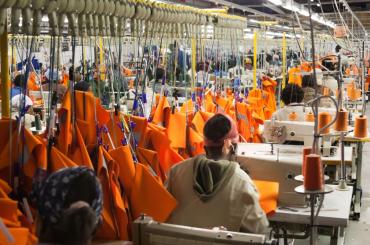
Flexibility versus productivity: Lessons on part-time work
Evidence from Ethiopia suggests that while part-time jobs broaden access for workers needing flexibility, they attract lower-skill applicants and reduce productivity, helping explain part-time wage penalties and gender pay gaps.