

fertiliser
-
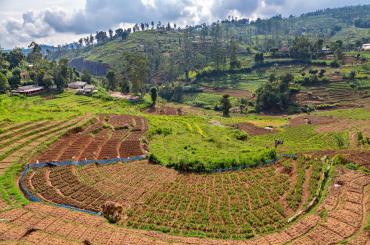
When an entire country loses access to fertiliser: Evidence from Sri Lanka's import ban
A model of trade and agriculture applied to Sri Lanka’s 2021 chemical fertiliser import ban shows how costly fertiliser shortages can be. However, the model also shows why local field-experiment estimates of fertiliser’s effect on crop yield can exag...
-
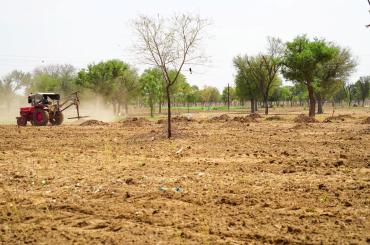
Rising fertiliser prices hit developing countries hard
When fertiliser prices spike, farmers in countries dependent on fertiliser imports are hit especially hard, and governments must grapple with a range of trade-offs in how they respond.
-
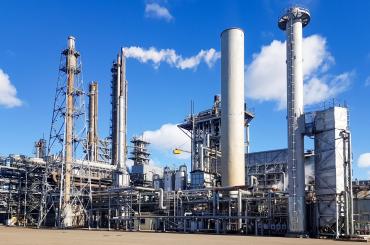
Ethiopia bet big on fertiliser plants. Did it pay off?
Ethiopia’s fertiliser blending initiative shifted farmers to new products but failed to boost yields or incomes – underscoring that fertiliser supply reforms must be paired with broader investments in seeds, water, soils, and markets to raise product...
-
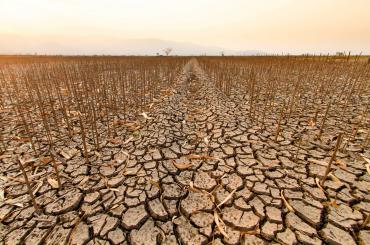
Strengthening climate resilience in agriculture
Climate change is increasing the severity and incidence of extreme weather events. How can policymakers help build farmer resilience to these shocks?
-
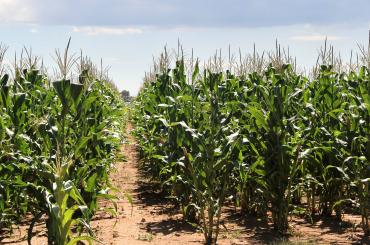
Farmers hold false beliefs about the seeds they grow – and it matters for efficiency
With more inputs, improved crop varieties can yield more. But do Ethiopian maize farmers know enough about their seeds to optimise fertiliser use?
-
Building trust in the quality of fertilisers in Tanzania
A low-touch information campaign in Tanzania improved farmers’ confidence in the quality of fertiliser, leading to an increase in purchases
-

Customised information improves agricultural extension uptake in Nigeria
Digital tools with site-specific fertiliser advice and information on expected returns can increase farmers’ yields by encouraging fertiliser use
-
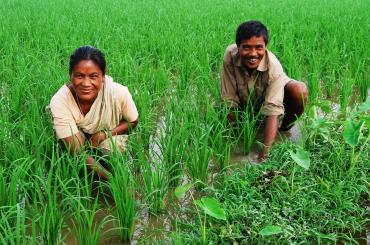
The impact of fertiliser management training: Evidence from Bangladesh
Simple, cost-effective ‘rule-of-thumb’ training on urea application may improve fertiliser management
-

Misperceived quality: Fertiliser in Tanzania
Evidence from Tanzania shows fertiliser quality is not the problem, rather it is farmers’ perceived belief of bad fertiliser quality that is