

heterogeneity
-
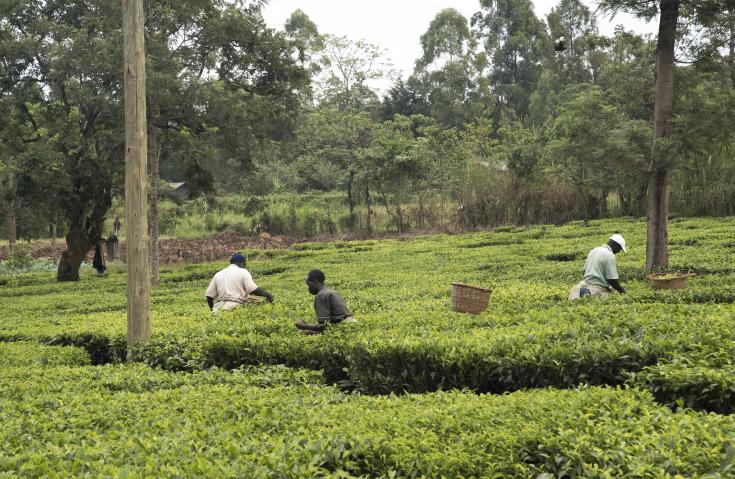
Agricultural Technology in Africa: Issue 2
-

How are econometric methods applied by researchers in development economics?
How has research featured on VoxDev used different econometric techniques? Here are some examples from recent development economics research, offering insights for students, teachers and academics.
-

Examples from development economics for your introduction to econometrics course
Economists employ a wide range of econometric methods when conducting research. Here are some examples of how these techniques are used to generate interesting and useful policy insights in development economics.
-

Can participatory budgeting build government legitimacy and increase tax revenues in weak states?
Evidence from Sierra Leone shows that digital participatory budgeting can increase government legitimacy in weak states but only increases tax compliance for supporters of the incumbent government.
-

From heat to high-tech: How innovation responds to climate change
Climate change in China is driving firms to innovate–not just where heat strikes, but through shifting demand across the economy.
-

When progress divides: Are multinational enterprises fuelling conflict in Africa?
New evidence using geo-referenced data across the African continent suggests that the arrival of multinational enterprises can fuel local conflicts.
-

People think it’s easy to contract HIV. That might not be a good thing.
Despite the high HIV prevalence in Malawi, individuals do not seem to adjust their behaviour to avoid infection—this may be due to the perceived transmission risk being so high that people become fatalistic, assuming they are doomed to HIV infection ...
-
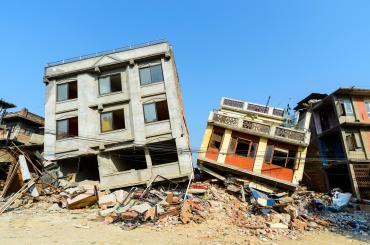
How to target aid after a disaster
Existing disaster aid programmes focus on property owners that experience physical damages. Evidence from Nepal shows that a broader and less targeted approach could be easier to implement and better for welfare.
-
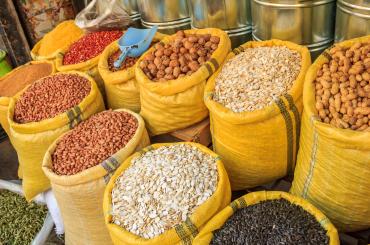
Rising food prices are putting children in harm’s way
New evidence on malnutrition risks among 1.27 million children from 44 low- and middle-income countries quantifies the significant negative health effects caused by rising food prices