

malnutrition
-
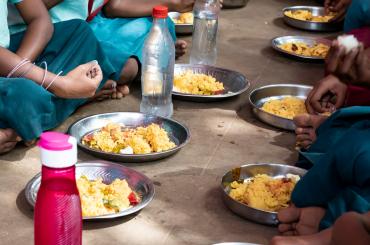
Inequality redefines basic needs, undermining nutrition and poverty goals
Inequality pushes poor households to sacrifice nutrition for ‘little luxuries’, reshaping basic needs and worsening malnutrition. The implications for poverty programmes are large.
-

What can we learn from food economics?
Food economics holds important lessons about market power in supply and product markets, poverty and malnutrition, and farm size.
-

Complementing cash with information to reduce malnutrition: Evidence from Nepal
A combination of information and cash transfers is effective in changing maternal behavioural practices, which could bring down malnutrition
-

Food versus vouchers: Evidence from Indonesia
Providing vouchers for rice and eggs allowed for better targeting, increased protein consumption, and was cheaper to administer than in-kind benefits
-

Fighting malnutrition with cash and information: Evidence from Nepal
Mothers who received modest cash inputs along with information on practices to reduce malnutrition were more likely to adopt those practices
-
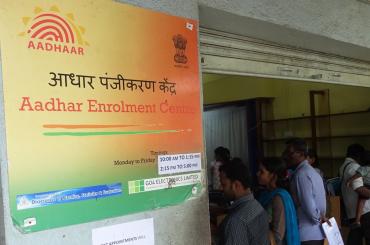
Balancing corruption and exclusion: Incorporating India’s Aadhaar into public food distribution
Fighting corruption with India's new national ID system has cost some low-income households their benefits in the process
-

Child stunting: Evidence from historical research
Child stunting was eradicated in developed countries during the 19th and 20th centuries. These cases yield lessons for combating stunting today.