

Mexico
-

Can AI-powered mental health apps meaningfully improve wellbeing?
Evidence from a randomised evaluation in Mexico shows that an AI-powered mental health app can improve mental health, daily functioning, and labour market outcomes, while also helping users experiencing more severe psychological distress engage with ...
-
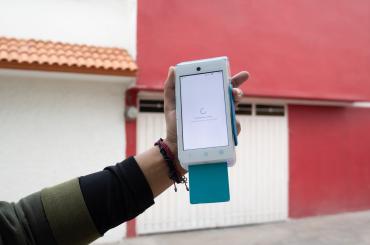
Why some digital payment systems replace cash and others don’t
Instant payments can substitute for cash when adoption moves quickly beyond high-income early users. Evidence from Brazil, Costa Rica, and Mexico finds that the key is a rapid low-income gradient: systems must combine low adoption costs, dense networ...
-
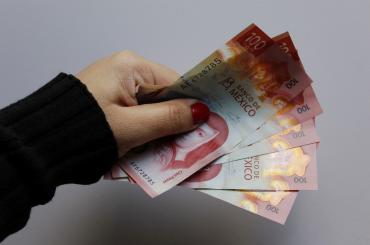
How targeting cash transfers at women strengthens bargaining power within the household
In Mexico, income transfers targeted at women are effective at improving their decision-making position within the household, translating into significant changes in household consumption and time allocation patterns.
-

How US-supplied weapons fuel migration to the US border
Evidence from the Northern Triangle and Mexico shows that an increase in the supply of weapons raises homicidal violence, which subsequently drives migration. Notably, this effect persists even when weapons are transferred through proper legal protoc...
-
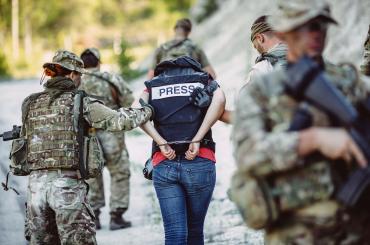
How violence against journalists reshapes the profession – and what gets reported
In Mexico, violence against journalists reduces media activity in the months following an attack and, in the long run, reshapes the profession towards younger and less-established reporters – with lasting implications for local government transparenc...
-
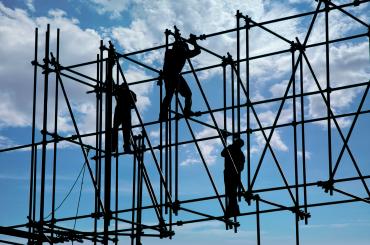
How violence reshapes Mexico’s workforce
Rising homicide rates in Mexico have left aggregate employment largely unchanged – but beneath this apparent stability, violence is reshaping who works and where, holding back the labour market and undermining productivity.
-

Women’s status in economics: Evidence from Africa, Asia, and Latin America
Drawing on the first comparable, country-level evidence base from Argentina, Colombia, Ghana, India, Mexico, and South Africa, the IEA documents significant variation in where and how women exit the academic economics pipeline. The findings suggest t...
-

How impacts of violence spread through Mexican schools
In Mexico, children in safe areas suffer lasting academic harm when peers who fled local violence transfer to their schools – even though they were never directly exposed to that violence themselves. This hidden cost of violence is especially pronoun...
-
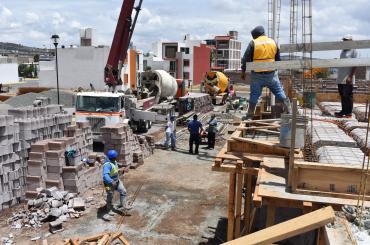
How does cheap access to foreign technology impact the informal sector?
In Mexico, reducing tariffs on imported inputs helped workers move from informal to formal employment, particularly benefiting skilled workers who are most complementary to foreign technology.