


Recent work by Benjamin Olken
-
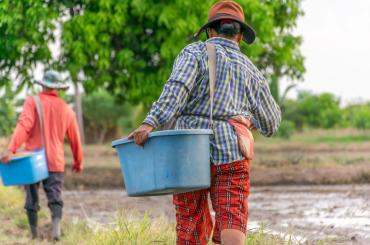
Why informal workers don’t sign up for social insurance
A large temporary cash incentive rapidly enrolled millions of informal workers into Thailand's voluntary social insurance programme, demonstrating that enrolment barriers can be overcome when incentives are strong enough. However, the high dropout ra...
-
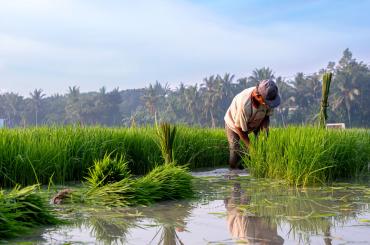
How to design safety nets: Balancing accessibility and integrity
A study of Indonesia's Kartu Prakerja programme finds that on-demand cash and training assistance can significantly boost self-employment and income among those who genuinely receive it. However, the programme's flexible online design enabled third-p...
-
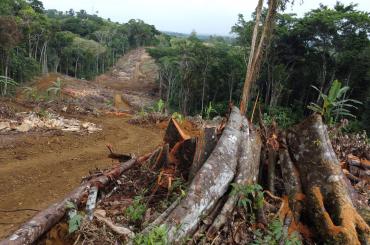
National policy reversals and deforestation in the Amazon
Evidence from the Amazon highlights the crucial role of policy continuity and political commitment to achieving sustainable conservation outcomes
-
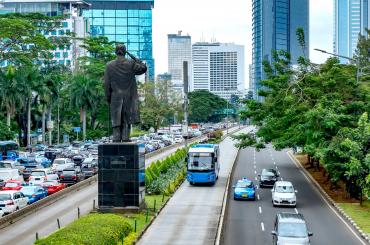
Designing a public transit network: Evidence from Jakarta, Indonesia
Examining the expansion of Jakarta’s bus system shows how simple improvements in public transport service quality can boost usage
-
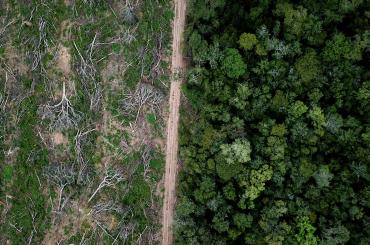
The economics of conservation in low- and middle-income countries
What have we learned about the economics of conservation? How can policymakers encourage conservation in low-income settings?
-
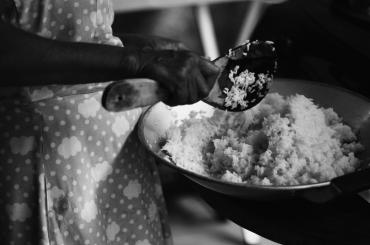
Food versus vouchers: Evidence from Indonesia
Providing vouchers for rice and eggs allowed for better targeting, increased protein consumption, and was cheaper to administer than in-kind benefits
-
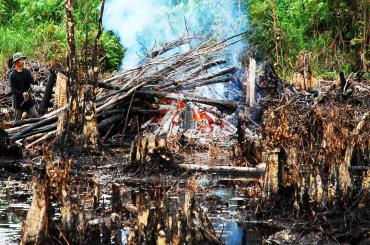
Risky behaviour: Evidence from fire setting in Indonesia’s forests
Firms overuse fires when risks are not internalised, but greater sanctions could significantly reduce forest fire spread
-

Is improving tax administration more effective than raising tax rates? Evidence from Indonesia
Enhanced tax administration can increase government revenue collection from medium-sized firms in developing countries even more than raising tax rates
-
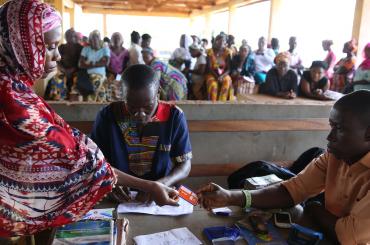
Cushioning the effects of COVID-19 on the poor
How can we best protect the most vulnerable in the developing world during the COVID-19 pandemic?