


Recent work by Paul Gertler
-
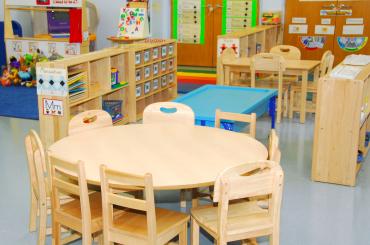
How expanding preschools transformed Argentina
Investments in early education can generate strong long-run human-capital and demographic gains in middle-income countries. New evidence shows that Argentina’s large-scale expansion of pre-primary education in the 1990s substantially increased comple...
-
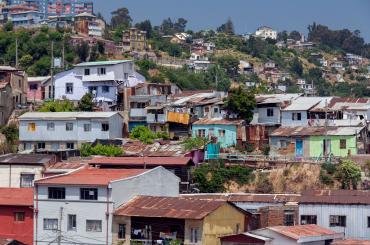
Upgrading vs relocating: Policy lessons on slum renewal
New evidence from Chile finds that in-situ slum upgrading – combining physical infrastructure improvements with the formalisation of land tenure within the slum – delivers larger gains in local economic development, both within treated slums and in s...
-
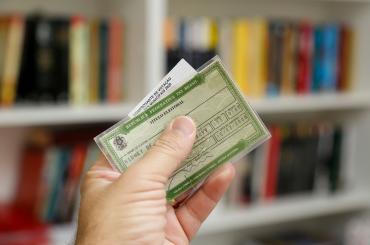
Can anti-corruption campaigns reduce vote buying? Lessons from Brazil’s municipal audits
In Brazil, anti-corruption audits substantially reduced vote buying and citizens’ demands for private favours – demonstrating how transparency initiatives can weaken clientelism and strengthen democratic accountability.
-

When telemedicine outperforms in-person care
In Rwanda, telemedicine delivered higher-quality, faster, and lower-cost care for common conditions.
-

Why did air conditioning catch on so quickly in Mexico?
Air conditioning adoption in Mexico has grown much faster than earlier forecasts, with nearly one million more units installed than predicted, largely due to falling electricity prices and rising energy efficiency that lowered the cost of cooling.
-

The deadly toll of marketing infant formula in low- and middle-income countries
A careful examination of Nestlé’s marketing behaviour shows that Nestlé’s entry into low- and middle-income formula markets caused about 212,000 infant deaths per year among mothers without clean water access at the peak of the Nestlé controversy in ...
-

Using lotteries to attract deposits: Evidence from Mexican banks
Lottery incentives in Mexico attracted unbanked households to open bank accounts and caused a persistent increase in the flow of deposits and the stock of savings
-
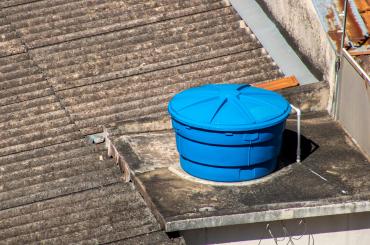
Reducing vulnerability, curbing clientelism: A case study in Brazil
Reducing vulnerability can combat clientelism: Access to rain-fed water cisterns in Brazil decreased citizen requests and votes for incumbents
-
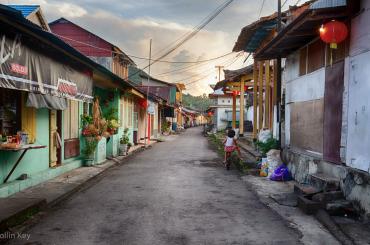
The benefits of road maintenance in Indonesia
Better roads help manufacturers create new jobs, enabling worker transitions out of informal employment, and increasing wages.