

Recent work by Pascaline Dupas
-

A three minute prompt to talk: Boosting parent-infant verbal engagement at low cost
A three-minute video intervention in Ghana prompted mothers to talk more to infants and boosted early language – at just $0.45 per child at scale.
-

How to value the time of the self-employed
Valuing the time of the self-employed is crucial for evaluating interventions and conducting cost-benefit analysis. Yet research often misprices this value at zero or equal to market wages. New evidence from Kenya suggests a practical fix: value unpa...
-
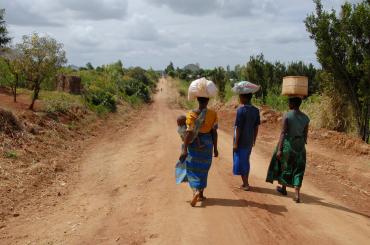
Saving face or saving money? How household dynamics hold back women
Experimental evidence from rural Malawi shows that women's reputation concerns within households can lead to underinvestment in new technologies and persistence with bad ones. Engaging both spouses and/or equipping women to effectively communicate th...
-
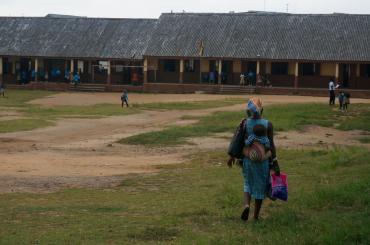
Subsidising secondary education has huge benefits, for this generation and the next
As countries in Sub-Saharan Africa debate the costs and benefits of subsidising secondary education, a 15-year RCT in Ghana finds large multi-generation impacts.
-
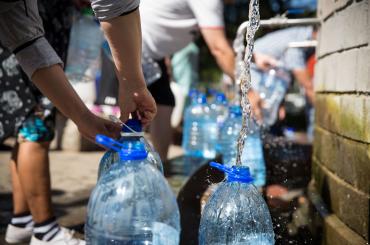
Improving access to and usage of clean water
Why has water treatment been historically neglected by governments and donors given the significant short- and long-term benefits of clean water provision and use? How can we design interventions to ensure households have access to and use clean water?
-
Free contraception had no impact on birth rates in Burkina Faso
Providing free access to all modern contraceptive products for three years in local public health centres in rural Burkina Faso had no detectable effect on birth rates, suggesting that fertility levels are in line with how many children families want...
-
Gender disparities in the use of government health insurance in India
There are stark gender disparities in hospital usage in India which increase with the cost of care. Social subsidies are unlikely to close disparities without gender-targeted efforts
-
Expanding access to clean water for the rural poor: Evidence from Malawi
Offering coupons for free chlorine is an effective way to increase water treatment and prevent waterborne diseases
-

The impact of digital credit in low-income countries
Digital credit does not appear to systematically improve lives, while the lack of transparency raises serious concerns about predatory lending