


Recent work by Oliver Vanden Eynde
-
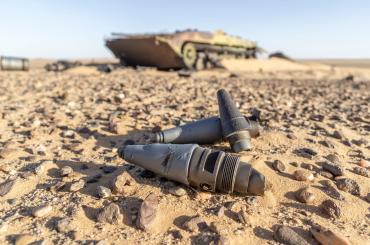
Military cooperation across borders reduced violence in the Sahel
Formal military cooperation between neighbouring states can reduce jihadist violence in border regions, as shown by causal evidence from the G5 Sahel Joint Force, which allowed armies to conduct joint operations and share intelligence across borders...
-

Should roads and electricity infrastructure be built together?
In rural India, roads and electricity complement each other, with their joint provision delivering far greater gains in dry-season agricultural productivity, assets, and consumption than either investment alone.
-
Variants of violence: How classifying conflicts helps us solve them
A core challenge in development economics is generalising country-specific findings across diverse contexts. Can a data-driven classification of conflict types help bridge the gap between deep case knowledge and broader comparative insight?
-
Conflict and development
What have we learned from economic research on conflict? What key questions remain?
-
Climate change, natural resources, and conflict: Navigating a complex nexus
Extreme weather and the green transition are reshaping global conflict. We summarise the evidence on this trend and explore how policy can respond.
-
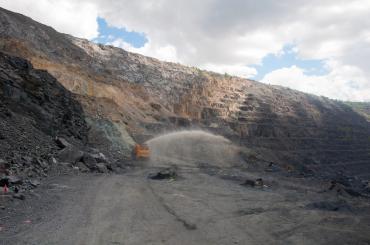
How fiscal policies intensified conflict in India
Increasing potential tax revenues for local governments triggered a rise in violence in resource-rich areas in India
-

How not to disengage from a conflict: Evidence from NATO’s war in Afghanistan
Strategic miscalculation during Afghanistan’s first security transition may have contributed to its current resurgence of violence
-

Learning from drunk and absent policemen in Kenya
Historical data from Kenya show that when an ethnic group gains power, public servants of that group may be emboldened to misbehave
-
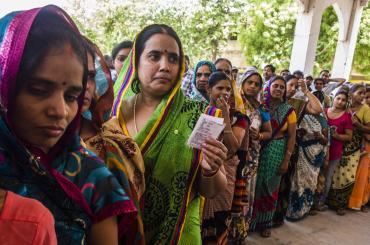
Elections and corruption: Politics and public procurement in India
Political interference in government contract allocation when ruling power changes hands, combined with lack of accountability, leads to corruption