


Recent work by Olivier Sterck
-
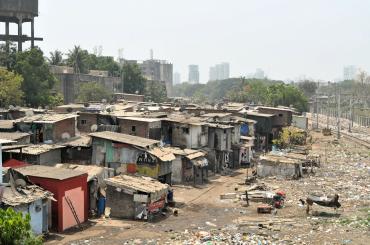
Global poverty trends through a new lens
Global poverty trends look radically different depending on the poverty line used. A new measure that doesn’t depend on ‘lines’ – the average time needed to earn a dollar – shows that global poverty has fallen sharply, by about 55% since 1990. This w...
-
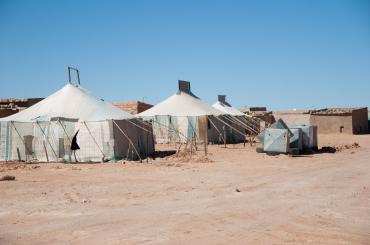
What happens when humanitarian aid is cut or delayed?
Humanitarian aid systems are under mounting pressure, with key donors like the US and UK cutting funding despite growing needs. New research in one of the world’s largest refugee camps shows that aid cuts and delays have dramatic impacts on food cons...
-
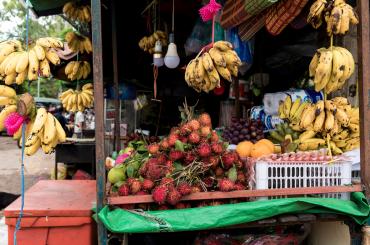
Businesses profiteer from humanitarian cash transfers through price hikes
Evidence from Kenya shows how cash transfers in imperfect markets lead businesses to capture some of the benefits by raising prices, ultimately at the expense of transfer recipients.
-

Empowering women in Tunisia through cash grants and financial training
A cash grant and training programme had a range of benefits for women in Tunisia, but only improved participation in income-generating activities for women who attended training without their partner
-

Constraints to migration: Evidence from Comoros
A workfare programme increases migration by loosening households’ liquidity and risk constraints
-
Healthcare appointments as effective commitment devices: Evidence from Malawi
The offer of an appointment more than doubled the likelihood of men getting an HIV test, and was most effective for men wanting a commitment device