

pollution
-
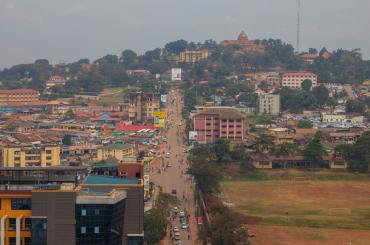
Workers in African cities are extremely exposed to air pollution
In African cities, small firms locate on busy roads to attract customers and increase profits, exposing workers to substantial air pollution.
-
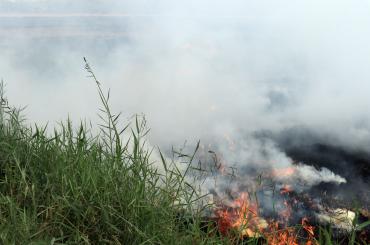
Strengthening bureaucrat incentives can curb crop burning and save lives in India and Pakistan
Evidence from India and Pakistan shows that harnessing district officials’ local pollution incentives reduces crop fires by up to 14.5% and deters burns by a further 13%, significantly lowering infant and child mortality.
-
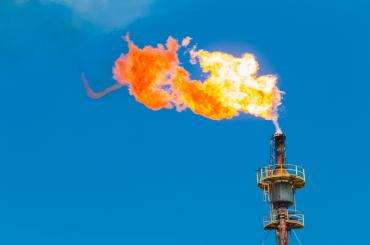
Gas flaring threatens agriculture and livelihoods in Nigeria
Gas flaring protects oil companies' profits at the cost of farmers' livelihoods. Can enhanced regulation enable economic growth while sustaining agricultural productivity?
-
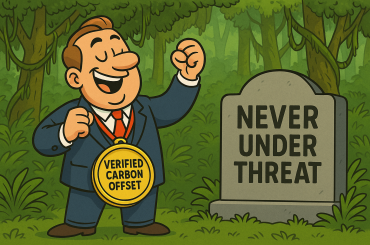
Additionality: What it means & why it’s crucial in the fight against climate change
Before taking credit for offsetting carbon or reducing emissions, organisations need to ask: Would this have happened anyway?
-
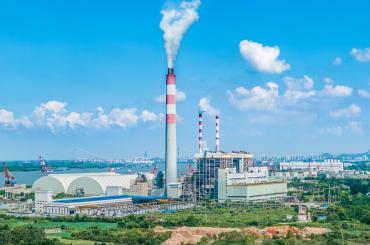
Increasing government transparency reduced pollution violations and improved air quality in China
Government transparency helps bridge gaps between environmental laws and actual practices, improving health and environmental quality broadly.
-
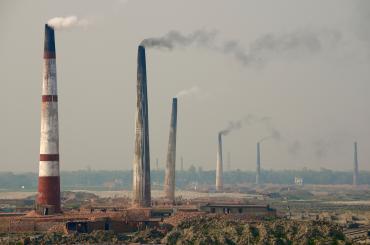
Improving practices at Bangladesh’s brick kilns: A win-win for business and the environment
New evidence from Bangladesh shows that aligning business owners' profit motives with environmental and health goals can effectively reduce the harm caused by pollution from brick kilns.
-
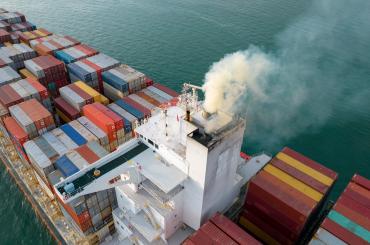
The hidden pollution subsidy in global trade
International trade policies subsidise pollution by favouring dirty industries, who face lower trade barriers
-
International spillover effects of air pollution: Evidence from mortality and health data
Air pollution in China has significant negative effects on mortality and morbidity in South Korea, and accounting for this amplifies the overall benefits of environmental regulation
-

How citizen participation affects environmental governance: Evidence from social media in China
Social media provides a powerful mechanism for citizens to make their voices heard, which spurs improvements in how governments regulate pollution