


Recent work by Rachid Laajaj
-
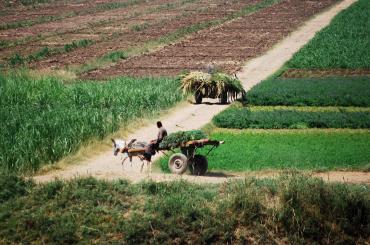
Why farmers struggle to adopt new agricultural technology in Africa
A five-season field experiment with smallholder farmers in sub-Saharan Africa shows that new agricultural technologies are hard to adopt not because farmers lack information, but because such technologies require multiple interdependent decisions that take years of costly trial and error to get right.
-

Digital reforms at Colombian ports: A win-win for growth and tax revenues
Computerising customs at Colombia’s major ports boosted trade, reduced corruption, improved firm performance, and increased tax collections.
-

Scholarships increase social mobility: Evidence from Colombia
Needs-based and merit-based scholarships improve the motivation and social mobility of low-income students
-
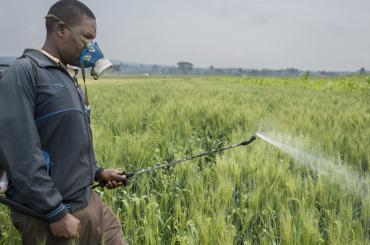
Why promising trials often fail to result in agricultural yield gains: Evidence from Kenya
Farmer selection and researcher interference during trials can introduce bias, impacting how new technologies perform in real-world conditions
-

Skills and personality matter, but how do we capture them?
Data from developing country settings highlight the risk of misinterpreting non-cognitive skills and personality using existing measures
-
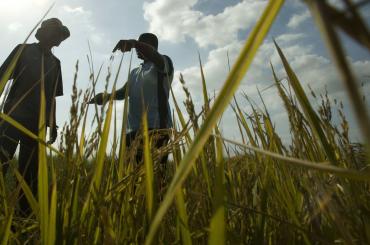
Temporary agricultural input subsidies have lasting impacts: The Mozambique experiment
Subsidies need not be permanent to benefit farmers. Well-designed policy that encourages experimentation can generate widespread and lasting impacts.