

Remittances
-

Why ‘Brain Drain’ is an incomplete story of migration
The migration of high-skilled workers, sometimes referred to as 'brain drain', is usually seen as negative for origin countries. New research suggests this is an incomplete story—highlighting the channels through which emigration can benefit these countries: the 'brain gains'.
-

Can fintech help migrants make better remittance decisions and improve financial inclusion?
Fintech has the potential to enhance financial inclusion and welfare for low-income migrants, but its benefits may be limited for migrants with lower financial literacy.
-
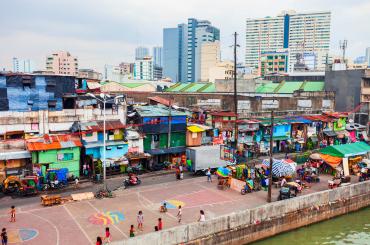
How does international migration affect economic development back home?
Income increases for international migrants from the Philippines fostered economic development and investments in education in migrant-origin communities.
-

Hitting the jackpot: The high returns of a Malaysia visa lottery for Bangladeshi workers
International migration can be transformative for low-skilled workers and their families, and governments can play important roles to ease the visa intermediation process, lower upfront costs, and ensure safer migration
-

The impact of mobile money on poor rural households: Evidence from Uganda
Mobile money agents need additional support to transform lives in poor rural areas
-
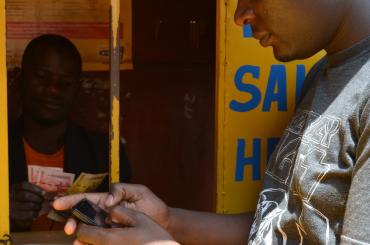
How remittances affect long-run economic change in rural labour markets
International labour migration and related remittances increase human capital attainment in rural areas, and over the long run trigger a shift of jobs out of farming towards the service sector
-

How do migration and remittances affect inequality? A case study of Mexico
Remittances can lower inequality and may help mitigate some of the negative impact of shocks on the poorest
-

The many dimensions of mobile money: Evidence from Bangladesh
Mobile money makes transfers easier, increases rural consumption and reduces poverty, but places pressure on migrant workers to increase remittances