

violence
-

Interpersonal violence costs the world more than war
A new book argues that interpersonal violence – homicide, intimate partner violence, and child abuse – costs the world far more than war, yet receives a fraction of the policy attention. Drawing on victimisation surveys and value-of-statistical-life estimates, the authors put the annual cost of interpersonal violence at roughly $30 trillion, compared with $3.7 trillion for collective violence.
-

How US-supplied weapons fuel migration to the US border
Evidence from the Northern Triangle and Mexico shows that an increase in the supply of weapons raises homicidal violence, which subsequently drives migration. Notably, this effect persists even when weapons are transferred through proper legal protoc...
-

How violence reshapes Mexico’s workforce
Rising homicide rates in Mexico have left aggregate employment largely unchanged – but beneath this apparent stability, violence is reshaping who works and where, holding back the labour market and undermining productivity.
-

How impacts of violence spread through Mexican schools
In Mexico, children in safe areas suffer lasting academic harm when peers who fled local violence transfer to their schools – even though they were never directly exposed to that violence themselves. This hidden cost of violence is especially pronoun...
-

Conflict and development
What have we learned from economic research on conflict? What key questions remain?
-
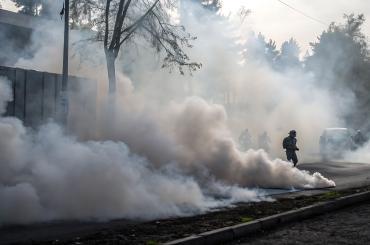
Variants of violence: How classifying conflicts helps us solve them
A core challenge in development economics is generalising country-specific findings across diverse contexts. Can a data-driven classification of conflict types help bridge the gap between deep case knowledge and broader comparative insight?
-
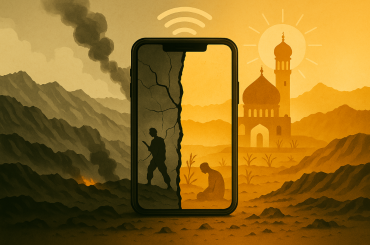
What mobile data can tell us about religion in conflict zones
New research uses mobile phone transaction data to shed light on the nature of religious adherence in Afghanistan, revealing that religiously motivated insurgent violence reduces religiosity while climate-induced income shocks increase religiosity.
-

How conflict shaped social cohesion in Colombia
Conflict in Colombia, fueled by coca production, negatively impacted social cohesion, particularly in areas where militias dressed as civilians and where violence was intense
-

Combatting school-based violence and nurturing hope in El Salvador
An innovative after-school programme provides vulnerable youth in El Salvador pathways to success and resilience