

air pollution
-
Air Pollution
-
Why bad news is ignored and how to effectively communicate risk
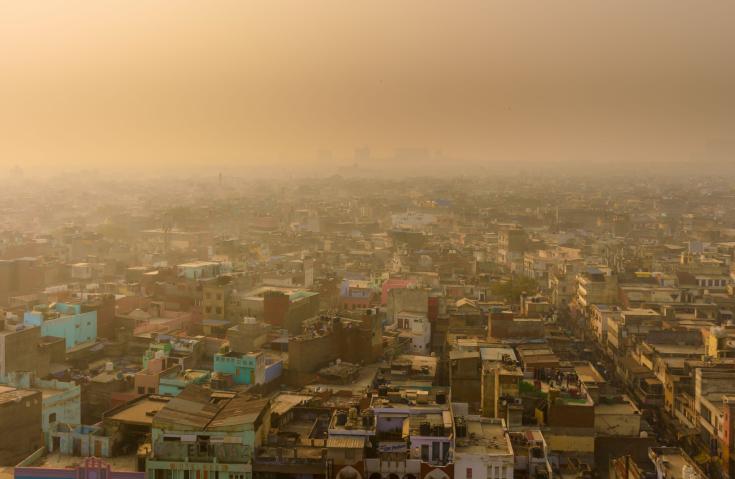
Policies based on providing information rely on people engaging with it. But how can we design effective information campaigns when people are tempted to ignore them? Evidence from India shows that when people perceive that they have control over out...
-
Reducing air pollution: Can markets succeed where regulation fails?
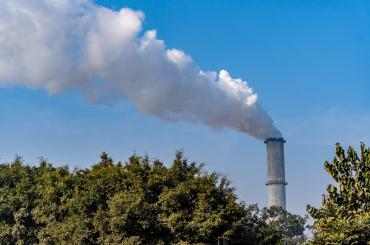
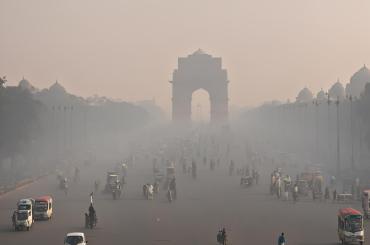
A large-scale experiment in Gujarat shows that emissions trading markets can dramatically reduce air pollution, improve compliance, and lower costs in developing countries – proving that market-based environmental regulation can work effectively where pollution is most severe.
-

Workers in African cities are extremely exposed to air pollution
In African cities, small firms locate on busy roads to attract customers and increase profits, exposing workers to substantial air pollution.
-

Information and training helps individuals forecast and adapt to air pollution
Air pollution causes seven million deaths each year. New evidence from Pakistan shows that improving individuals’ ability to forecast air pollution allows them to adapt better.
-
Dual misbeliefs and technology adoption: Evidence from air purifiers in Bangladesh
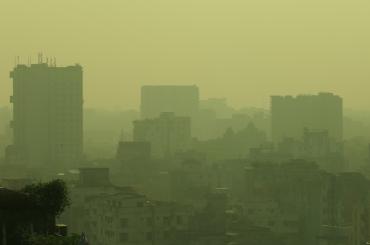
Households in Bangladesh hold inaccurate beliefs about indoor air pollution and the effectiveness of air purifiers. Correcting both beliefs is necessary to increase the adoption and use of air purifiers.
-

Inspiring collective action to improve urban air quality in Uganda
Social competitions between neighbourhoods galvanise leadership and inspire collective action to reduce informal waste burning in urban Uganda
-

How new monitoring systems shaped China’s war on air pollution
The advanced air quality monitoring system in China has led to improvements in local air quality, but also prompted local governments to strategically prioritise areas near the monitors in order to meet pollution control targets. This localised respo...
-

The health impacts of average vs peak pollution exposure: Evidence from cooking in Kenya
Lowering peak pollution exposure through fuel efficient cookstoves reduces respiratory symptoms. But in areas with high average pollution, more must be done to improve clinical outcomes and reduce health expenditures.