

bureaucracy
-

Bureaucracy
-

Why civil service reform fails – and what actually works
Martin Williams draws on over a decade of research across six African countries to explain why civil service reforms so often fall short, and what leaders should do instead.
-
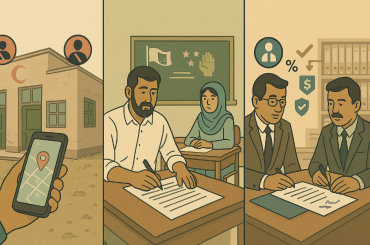
Building a better bureaucracy: Optimising incentives and selection in Pakistan's civil service
Public confidence in Pakistan's bureaucratic effectiveness is at an all-time low. What does research tell us about the incentives, selection, and training needed to improve the current state of civil service?
-

Meritocracy in the civil service: Lessons from Pakistan
Can discretion in corrupt bureaucracies reward talent? Evidence from Pakistan’s civil service suggests merit can prevail—when incentives align.
-
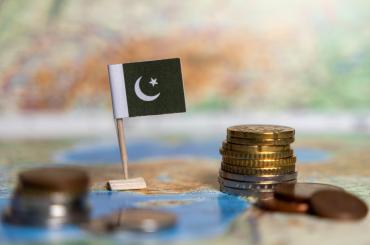
The unintended consequences of digitalising bureaucracies: Evidence from Pakistan
Digitalisation reforms have become a popular policy tool in developing countries. Evidence from Pakistan, however, suggests that digitising land records can have unintended consequences on bureaucratic behaviour and, in turn, tax collection.
-

State capacity and the development of the US
What was the role of state capacity in the economic development of the US?
-
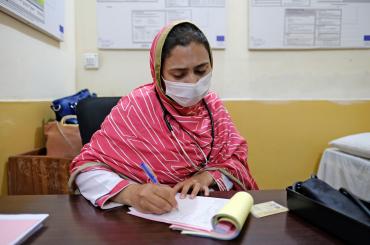
Public sector absenteeism, politics and patronage in Pakistan
Politics and patronage exacerbate public sector absenteeism, limiting the efficacy of reform measures
-

Local elections in China
Evidence from China shows why autocrats may introduce local elections and how this affects policy
-

Bureaucratic nepotism: Evidence from Colombia
Family ties to non-elected bureaucrats distort public employment outcomes, and standard anti-nepotism policies are ineffective at preventing their negative influence