

democracy
-

From revolutionary to researcher: Leonard Wantchekon on African development, democracy, and the African School of Economics
Leonard Wantchekon’s journey demonstrates how activism, rigorous scholarship, and institution-building can work together to strengthen democracy, rebuild trust, and promote locally led development across Africa.
-

India’s economic development since independence
India’s 75-year journey of development has intertwined nation-building, democracy, and economic transformation in ways that challenge conventional theories of growth – highlighting both the achievements and enduring tensions between inclusion, governance, and inequality that continue to shape the country's future.
-

How anti-poverty programmes are used to undermine democracy in India
Welfare programmes, even when designed to prevent misuse, can be subverted by a political party and may encourage the centralisation of corruption.
-

Power-sharing institutions can mitigate violent contests for natural resource rents
Local elections in Nigeria may improve representation at the local level, contributing to a more peaceful resolution of contests for resources
-
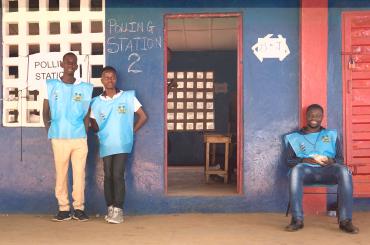
How should political parties choose candidates?
An experiment in Sierra Leone varied how much say voters, compared to party officials, had in selecting candidates for Parliamentary elections, and sheds light on which systems of leadership selection are most effective
-
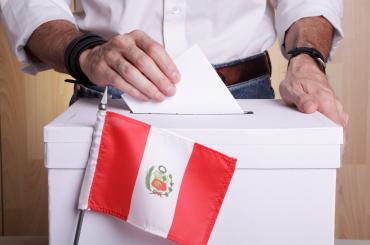
How effective are monetary incentives to vote?
A larger fine for electoral abstention increases voter turnout but does not affect election outcomes in settings with compulsory voting
-

Support for democracy and the future of democratic institutions
It is only democracies that perform well on the dimensions that the public cares about – economic growth, control of corruption, peace and political stability and public good provision – that build support for democratic institutions
-

Better state governance reduces local environmental footprints from oil drilling, “better” corporate governance has no impact
New empirical evidence on global deforestation casts doubts on Corporate Environmental Responsibility and ESG claims that they can replace state-led regulation as a mechanism to minimise negative environmental externalities in low government capacity...
-

How the surveillance state is exported through trade in AI
Autocracies and weak democracies are more likely to import facial recognition AI from China, particularly in years when they experience domestic unrest