

Indonesia
-
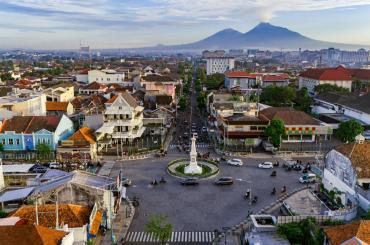
Can voting out leaders improve local service delivery?
Local elections have the potential to disrupt the ‘business-as-usual’ culture that often settles in bureaucracies. Evidence from village elections in Indonesia shows that changes in leadership improve information flows between citizens and the state,...
-

How to design safety nets: Balancing accessibility and integrity
A study of Indonesia's Kartu Prakerja programme finds that on-demand cash and training assistance can significantly boost self-employment and income among those who genuinely receive it. However, the programme's flexible online design enabled third-p...
-

Understanding the gig economy: Lessons from drivers in India, Indonesia, and Kenya
While gig drivers' demographic profiles, earnings, and work experiences differ markedly across India, Indonesia, and Kenya, a common thread emerges: the flexibility to work more hours allows drivers to increase their monthly earnings, and, in some co...
-

Special Economic Zones: Why they succeed in some countries – and fail in others
Special Economic Zones can raise formal employment and wages in the right conditions, but without strong complementary policies such as education, infrastructure and trade openness, they are unlikely to deliver sustained economic growth.
-
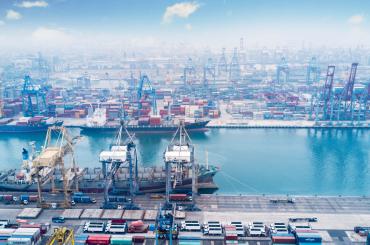
How import regulations shape domestic exporters’ resilience
Indonesia’s non-tariff import measures – particularly inspections, import approvals, and port restrictions – significantly weakened exporters’ ability to adjust to China’s yuan depreciation by constraining their access to cheaper intermediate inputs...
-

How internal migration affects the workers left behind
Internal migration in Indonesia raises wages and improves access to formal employment for the workers left behind, particularly lower-educated workers, by easing labour supply pressures and reallocating jobs across the formal and informal sector.
-

How competition between villages helped divided communities in Indonesia
Competing for development grants helped divided communities in Indonesia work together – and fight less.
-
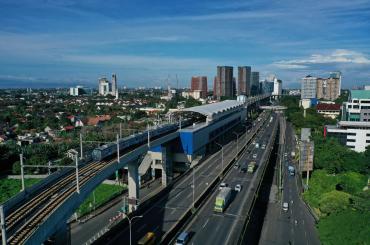
Going the first/last mile: How ride-hailing services expand access to public transport
Does the widespread availability of ride-hailing services in fast growing, congested cities in the developing world undermine the viability of potential investments in public mass rapid transit (MRT) systems? New evidence from Indonesia suggests that...
-
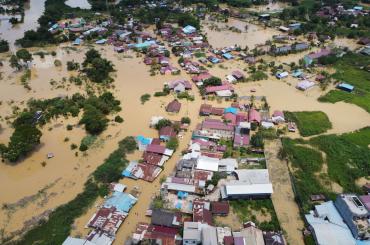
Climate politics: Understanding political inaction on climate change
Despite strong public concern for climate change and pollution in Indonesia, politicians underestimate the demand for policy responses and fail to act – even when informed of voter preferences. Politicians’ misperceptions, elite capture, and politica...